Understanding the Fundamentals of Commerce: Evolution, Regulation, and Digital Transformation
The Dynamic World of Exchange: Commerce Unveiled
Defining the Core of Commercial Activity
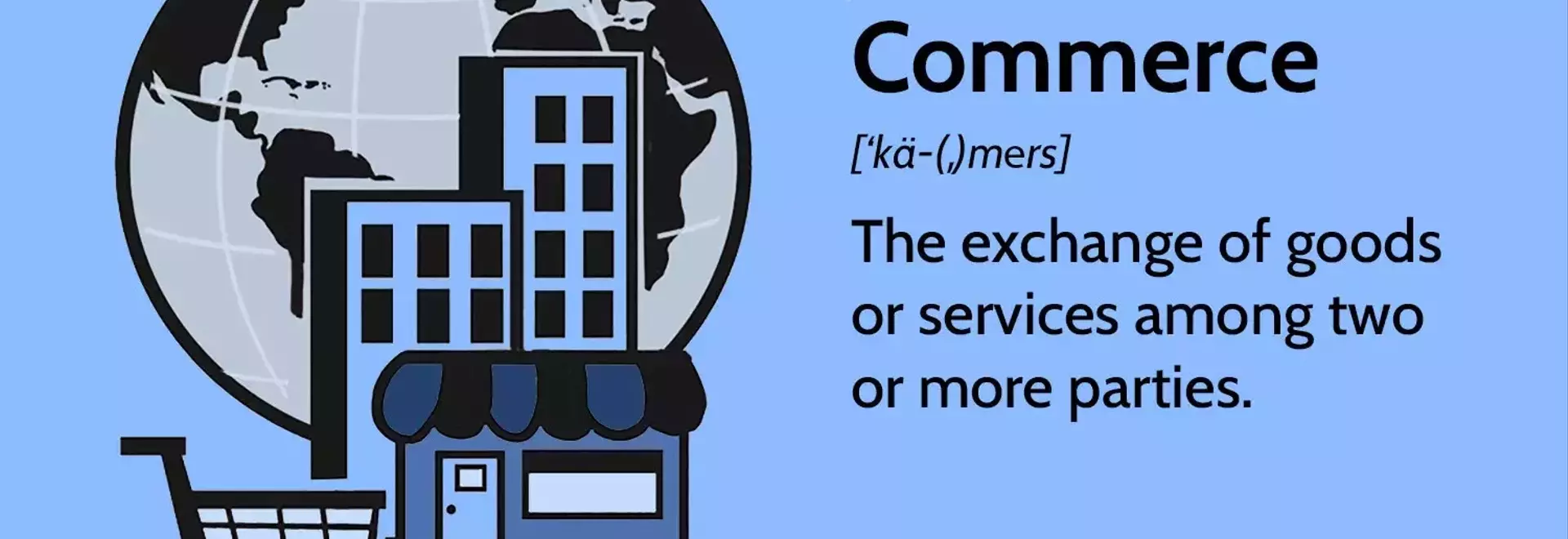
Commerce represents the organized process of exchanging products and services for monetary value between parties, typically on a large scale. Its primary focus is on the sale and distribution of items, rather than their initial creation, marketing strategies, or logistical transportation. In today's interconnected world, much of commercial activity transcends national borders, forming a vital component of global economic health.
While business encompasses a wide range of activities including manufacturing and production, commerce specifically deals with the flow and delivery of goods. Grasping this distinction is key to understanding how these processes collectively support national economies, fostering job creation, and ensuring the availability of essential products and services.
Tracing the Journey: From Barter to Global Markets
The practice of commerce dates back to the earliest human interactions involving the exchange of goods and services. From simple bartering to the development of monetary systems and intricate trade routes, people have continuously sought improved methods for facilitating these exchanges, thereby establishing efficient channels to connect sellers with buyers.
Currently, the term 'commerce' generally refers to significant purchasing and selling activities. A single item sale to a consumer is usually called a transaction, whereas 'commerce' pertains to the broader spectrum of transactions involved in bringing that item to market.
A substantial portion of modern commerce occurs internationally, involving the global exchange of goods and services between various nations.
Commerce is an integral part of business, concentrating solely on the distribution of products and services, not on their manufacturing, development, or sourcing. This distribution aspect encompasses diverse elements including economic factors, legal frameworks, logistical challenges, political influences, regulatory requirements, and social considerations.
Clarifying Key Terms: Commerce, Business, and Trade
These terms are often used interchangeably, yet they possess distinct meanings.
What Commerce Entails
Commerce specifically refers to the exchange of products or services between two or more entities. For instance, when you pay to refuel your vehicle, you are engaging in a commercial act.
Throughout the journey of that fuel, numerous other commercial activities would have taken place. For example, crude oil would have been sold in bulk to various oil companies, marking another instance of commercial transaction.
The Scope of Business
Business encompasses any activity undertaken with the goal of generating profit.
This includes the sale of goods and services, but it also extends to every individual and process involved in manufacturing the product and delivering it to the end consumer. All these participants contribute to business activity.
Consider the example of refueling your car: this process began with an oil exploration company identifying an oil reserve, progressed to a drilling company extracting the crude oil, and then involved multiple stages of transportation, refining, and distribution before reaching your gas tank. Numerous individuals and organizations were involved in these business operations to ensure the product reached you.
Understanding Trade
The difference between commerce and trade is subtle. Both involve the direct exchange of goods and services for something of value between parties (today, 'something of value' typically means money).
However, their usage differs slightly:
- Commerce, as illustrated earlier, implies a sequence of commercial transactions aimed at producing a final product. The sale of this finished product to its consumer marks the final stage of the commercial process.
- Trade, in this context, suggests only the concluding transaction where a seller delivers a completed product and a consumer makes payment for it. Therefore, trade is a sub-component of commerce, just as commerce is a sub-component of business.
Regulatory Frameworks Governing Commerce
When managed effectively, commercial activities significantly improve a nation's quality of life and bolster its global standing. Conversely, unchecked commerce can lead to powerful corporations exerting undue influence and creating negative consequences for citizens, primarily benefiting business owners.
Most nations have established government bodies, such as the Department of Commerce in the United States, tasked with promoting and overseeing commercial activities.
International commerce is governed by large multinational organizations. For example, the World Trade Organization (WTO) and its predecessor, the General Agreement on Tariffs and Trade (GATT), have established regulations for tariffs concerning the import and export of goods among countries. These rules are designed to facilitate trade and ensure a fair competitive environment for member nations.
The Rise of E-commerce and Its Transformative Influence
In the 21st century, the concept of commerce has broadened to include electronic commerce. E-commerce refers to any business or commercial transaction conducted via the internet, involving the transfer of financial information.
E-commerce has fundamentally reshaped how commercial activities are carried out. Previously, importing and exporting presented significant logistical challenges for both buyers and sellers, making it primarily feasible for large corporations with substantial resources to engage with international customers.
With the advent of e-commerce, small business owners now have unprecedented opportunities to market their products to a global customer base and efficiently fulfill international orders.
Export management companies assist domestic small businesses with the logistical complexities of international sales. Export trading companies connect small businesses with international buyers and domestic suppliers who can meet demand. Import/export merchants directly purchase goods from manufacturers, both domestic and foreign, then repackage and resell them as independent entities, undertaking greater risk but also realizing higher profits.
Distinguishing Commerce from Business
Commerce is a component of business, not identical to it. Business encompasses manufacturing, marketing, production, and sourcing, whereas commerce specifically focuses on the distribution of goods and services within the broader business framework.
Varieties of E-commerce Models
E-commerce primarily consists of three main categories:
- Business-to-Business (B2B): Direct sales of goods and services between businesses.
- Retail: Direct sales of goods and services to individual consumers.
- Consumer-to-Consumer (C2C): Sales of goods and services between individuals, often facilitated by platforms like eBay or Facebook Marketplace.
What Constitutes E-commerce?
E-commerce refers to any sale of goods and services where the transaction is completed entirely online.
It serves as an alternative to traditional brick-and-mortar store purchases. Today, many businesses offer customers the flexibility of choosing between online and in-store shopping options.
Concluding Thoughts on Commerce
Commerce involves the exchange of goods and services for value, distinguishing itself from overarching business operations by concentrating on distribution rather than production. It encompasses both domestic and international exchanges, supported by regulatory structures designed to ensure fair practices and foster economic prosperity.
The advent of e-commerce has revolutionized commercial activities, enabling electronic transactions that grant businesses of all sizes access to a global audience. A clear understanding of the distinctions among commerce, business, and trade empowers individuals and enterprises to navigate economic interactions with greater efficacy.