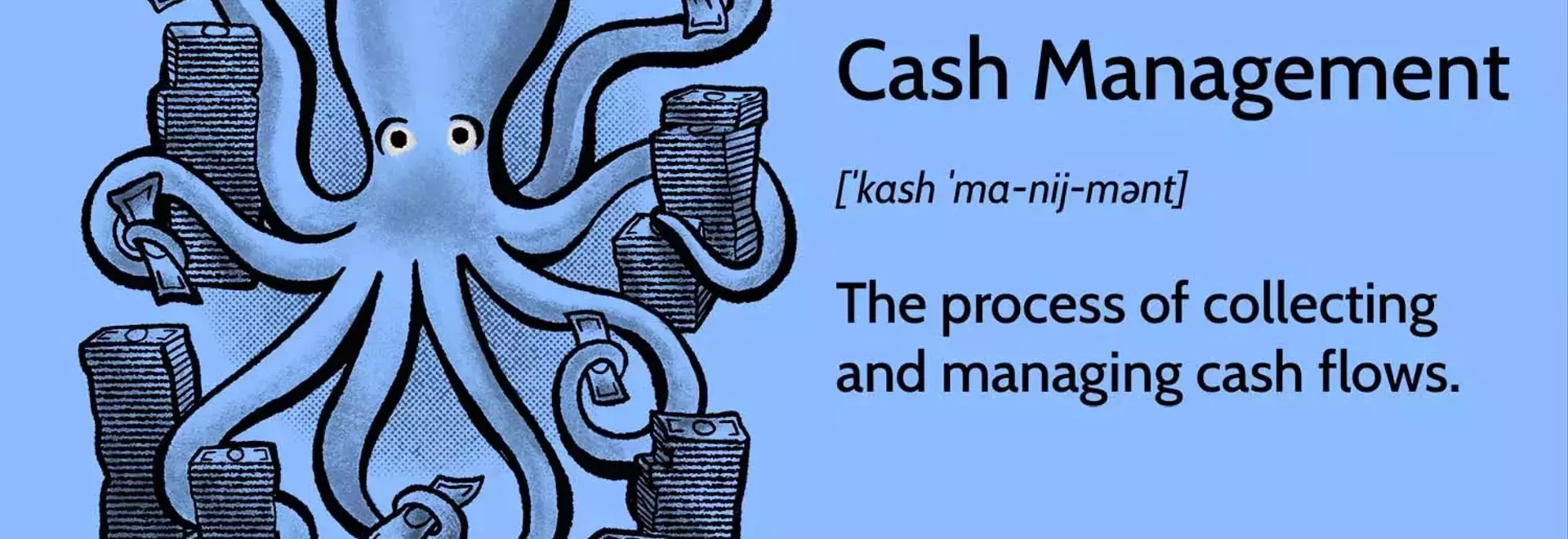
Mastering Financial Flow: A Guide to Effective Cash Management
Efficient cash management is paramount for both individuals and organizations seeking financial stability and enhanced liquidity. This involves carefully orchestrating the movement of funds into and out of an entity to meet financial commitments and foster growth. Strategic cash handling enables prudent investment choices, facilitates timely debt settlements, and ensures that financial resources are always available when needed. By diligently tracking monetary flow, optimizing operational capital, and establishing robust internal controls, entities can cultivate a resilient financial posture and adapt to changing economic landscapes.
For businesses, effective cash management often entails comprehensive oversight by financial experts and adherence to regulatory standards, ensuring precise financial reporting and operational transparency. Individuals also benefit from streamlined cash management solutions that consolidate various financial activities, offering convenience and maximizing returns on liquid assets. The application of analytical tools, such as detailed cash flow statements and solvency metrics, provides crucial insights into an entity's financial well-being, guiding decisions that preserve capital and support long-term objectives.
Strategic Oversight of Monetary Resources
The strategic oversight of monetary resources is a critical function for individuals and organizations alike, encompassing the diligent management of cash inflows and outflows to ensure financial stability and optimize liquidity. This involves not only meeting immediate financial obligations but also identifying opportunities for growth and investment. By implementing systematic approaches to cash handling, entities can mitigate financial risks, maintain a healthy cash reserve, and respond effectively to unexpected financial demands. This proactive management cultivates a strong financial foundation, enabling both individuals and businesses to navigate economic fluctuations with confidence.
For individuals, strategic cash oversight often translates into leveraging specialized accounts that integrate investment, savings, and checking functionalities, frequently offering attractive interest rates and flexible access to funds. In the corporate sphere, financial leaders, including treasurers and chief financial officers, are instrumental in developing and executing sophisticated cash management strategies. This may involve outsourcing certain functions to specialized providers to ensure timely fulfillment of financial commitments and overall operational resilience. The emphasis is on maintaining a continuous, clear understanding of an entity's financial position, safeguarding assets, and maximizing their potential for return without compromising liquidity.
Financial Health Monitoring and Optimization
Monitoring and optimizing financial health are integral to effective cash management, relying on detailed analysis of financial statements and the strategic manipulation of working capital. Businesses meticulously track cash flow reports on a regular basis, scrutinizing operational, investment, and financing activities to gauge their liquidity. This continuous evaluation allows for the identification of trends, anticipation of future financial needs, and the timely adjustment of strategies to maintain optimal cash reserves. Furthermore, the assessment of solvency ratios provides a forward-looking perspective on an entity's long-term capacity to honor its commitments, a crucial indicator for both internal stakeholders and external investors.
The proactive management of working capital, specifically accounts receivable and payable, is a cornerstone of this optimization process. By accelerating the collection of receivables and judiciously managing payables, entities can significantly improve their operational cash flow. Technologies that automate billing and payment processes contribute to greater efficiency, while offering incentives for early payments can further enhance liquidity. For individuals, similar principles apply, focusing on managing expenses, maximizing savings, and making informed investment decisions to build and protect personal wealth. Through these diligent practices, both individuals and organizations can achieve sustained financial robustness, ensuring they are well-prepared for both opportunities and challenges.