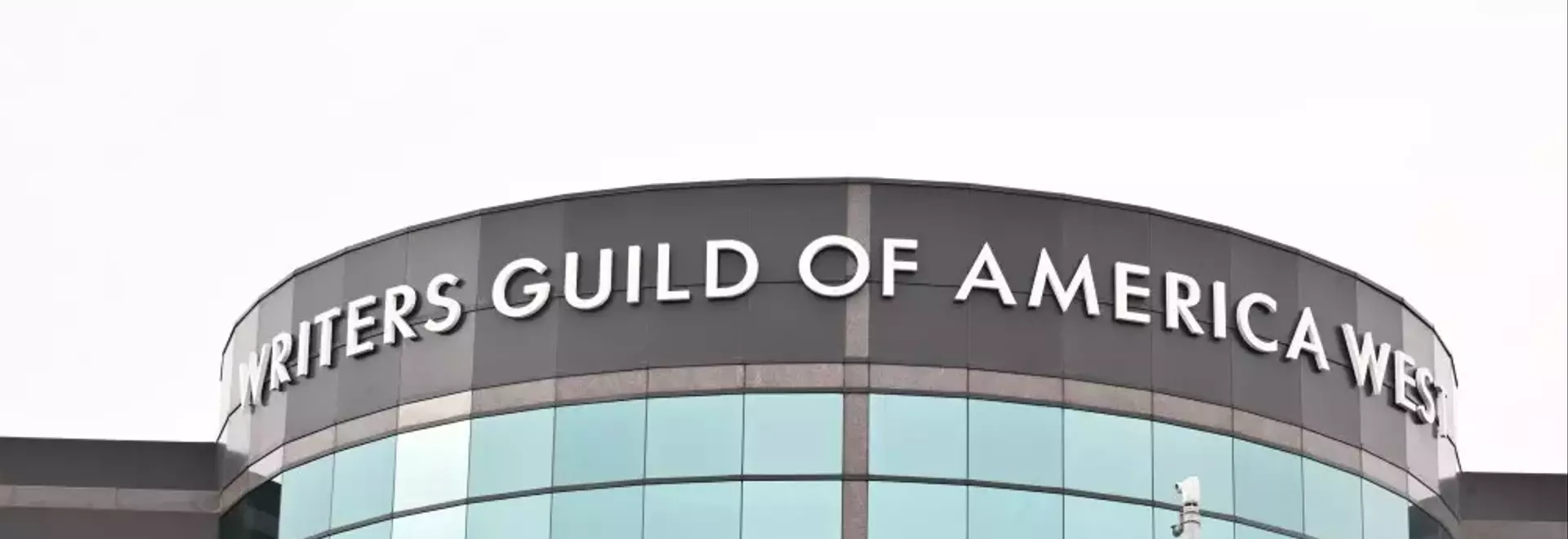
WGA Ratifies Four-Year Contract, Health Plan Faces Significant Changes
The Writers Guild of America (WGA) recently finalized a four-year agreement with major production studios, a move that, while addressing pressing financial concerns, also ushers in considerable alterations to the writers' health benefits. This new pact, overwhelmingly approved by guild members, marks a pivotal moment for the industry, seeking to balance the sustainability of the health fund with the gains achieved during recent negotiations. The agreement, effective from May 2, 2026, to May 1, 2030, reflects a complex compromise in the face of escalating healthcare costs and a contracting entertainment landscape.
WGA's New Contract: A Deep Dive into Health Plan Revisions and Industry Implications
On April 24, 2026, the Writers Guild of America announced the ratification of a comprehensive four-year contract with the Alliance of Motion Picture and Television Producers (AMPTP). This critical agreement was approved by a substantial 90.38% of voting members, with 4,282 in favor and 456 against. A key provision of this new deal, which came to fruition on April 4, introduces significant changes to the writers' health plan. For the first time, WGA members will encounter individual premiums, alongside increased deductibles and out-of-pocket maximums. Furthermore, the system of "extended coverage points," previously allowing writers to maintain health insurance during periods of unemployment, has been substantially scaled back. These adjustments were deemed necessary to counteract the health fund's average annual deficit of $50 million over the past four years, a consequence of soaring healthcare inflation and a slowdown in film and television production.
In response to these healthcare concessions, the studios committed an estimated $321 million to bolster the health fund over the next four years, including a substantial $280 million in new contributions. Michele Mulroney, President of WGA West, acknowledged the necessity of these changes, stating the guild's intent to keep them "as manageable as possible." Beyond the health plan, the contract largely maintains the protections secured during the 2023 strike. While discussions on artificial intelligence (AI) and its impact on writers' compensation are ongoing, no definitive commitment was made regarding payments for scripts used to train AI models. However, the agreement did see an increase in the "success bonus" for popular streaming shows, rising from 50% to 75% of a writer's base residual, without altering the criteria for success. Crucially, the deal preserves the 2023 agreement on staffing in writers' rooms, preventing the reintroduction of pre-greenlight "mini rooms" that the AMPTP had sought. This ratification is the first major contract settled in the current bargaining cycle, with the AMPTP now moving on to negotiations with SAG-AFTRA and the Directors Guild of America (DGA), with optimism for timely resolutions.
This recent contract ratification by the WGA presents a complex picture of labor negotiations in a rapidly evolving industry. While the concessions on healthcare benefits are undoubtedly a tough pill to swallow for individual writers, the substantial financial commitment from the studios to stabilize the health fund highlights the critical importance of these benefits. From a broader perspective, this agreement underscores the ongoing struggle to adapt traditional compensation and benefit structures to the realities of modern media production, particularly in the streaming era and with the advent of AI. The WGA's ability to largely preserve key gains from the 2023 strike, especially concerning writers' room staffing and increased success bonuses, demonstrates the power of collective bargaining even in challenging times. This contract sets a precedent for future negotiations within Hollywood, emphasizing the delicate balance between financial sustainability, technological advancement, and fair compensation for creative talent.