Understanding Software as a Service (SaaS)
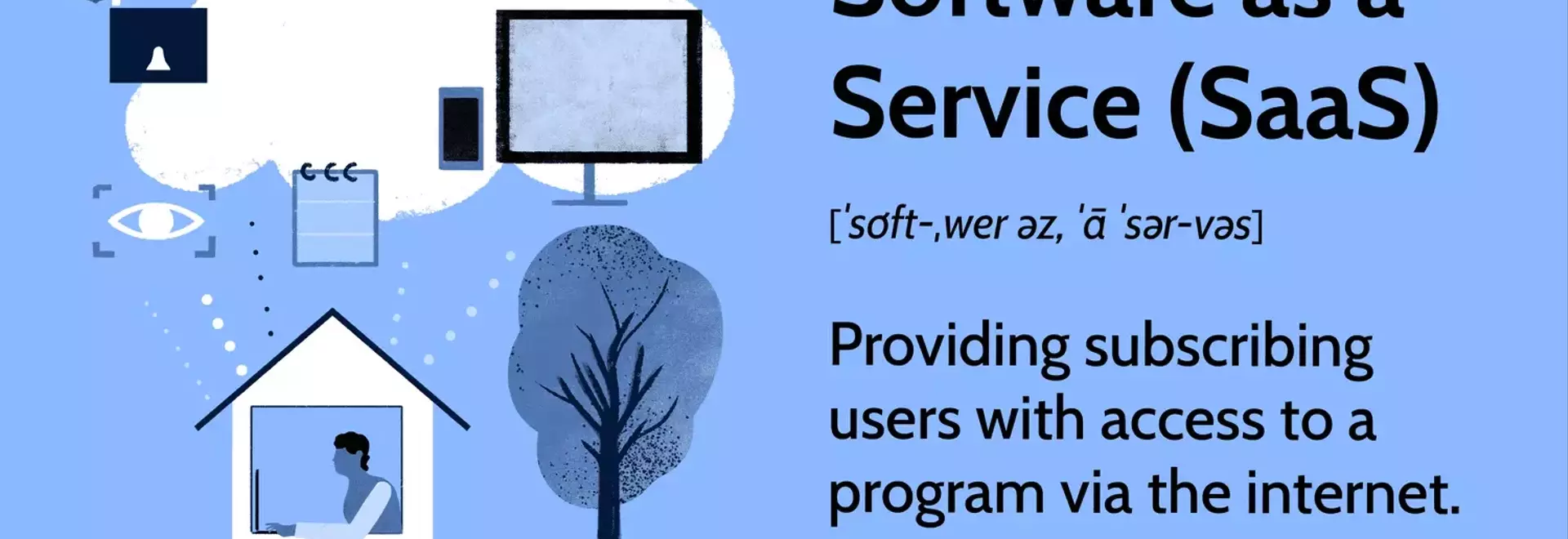
Software as a Service (SaaS) represents a paradigm shift in software delivery, leveraging cloud computing to provide applications over the internet on a subscription basis. This model has revolutionized how businesses access and utilize essential tools, making them more agile and efficient. SaaS solutions offer significant advantages, such as reduced upfront costs, simplified maintenance, and enhanced accessibility from any location with an internet connection. However, the reliance on third-party hosting also introduces considerations regarding data security, customization limitations, and performance variations based on network connectivity.
The Ascent of Software as a Service: A Detailed Analysis
The rise of Software as a Service (SaaS) is inextricably linked to the pervasive adoption of cloud computing. Historically, organizations acquired software through physical media, such as compact discs, which necessitated cumbersome installation processes and ongoing maintenance on individual machines. This method proved particularly time-consuming for large enterprises seeking to update their digital tools. The advent of SaaS, coinciding with the expansion of cloud infrastructure, liberated businesses from these constraints. Users can now effortlessly access a wide array of services by simply logging into a web browser, connecting to the service provider's network.
SaaS traces its conceptual roots to the time-sharing systems of the 1950s and 1960s, which aimed to maximize the utility of expensive computing resources. As hardware costs decreased, the focus shifted to personal computers and on-premise software. However, the continuous demands of hardware and software upkeep remained a burden. The mid-1990s witnessed the emergence of the "online cloud," paving the way for remote software access. Salesforce, established in 1999, pioneered the modern SaaS landscape, swiftly attracting both innovative startups and established technology giants like Microsoft, Oracle, and SAP.
In the SaaS model, the provider assumes responsibility for hosting the customer's software and delivering it to authorized end-users over the internet. This typically involves a single instance of the application, designed specifically for multi-tenant SaaS distribution. Updates and new features are seamlessly rolled out to all subscribers, ensuring everyone benefits from the latest advancements. The SaaS market is projected to surpass a remarkable $675 billion in 2024, highlighting its dominant presence in the digital economy.
SaaS solutions offer numerous advantages, including significantly lower hardware investment for client companies, streamlined implementation, effortless updates, and simplified debugging. This model often proves more cost-effective than acquiring multiple individual software licenses. SaaS finds extensive application across various business functions, such as email services, auditing, automated sign-ups, document management, and critical customer relationship management (CRM) systems. These CRM platforms efficiently store client and prospect information, track business activities, and manage sales leads. Furthermore, SaaS is ideally suited for collaborative enterprise-level services like human resources, enabling employees from diverse departments to share, edit, and publish materials regardless of their physical location.
Despite its benefits, SaaS also presents certain drawbacks. Primary concerns revolve around data security and performance. Since data resides on external servers, companies must meticulously ensure its safety and prevent unauthorized access. This is especially crucial for SaaS users in sensitive sectors like aerospace and defense. Additionally, slower internet connections can hinder performance, particularly when cloud servers are geographically distant. Unlike on-premise solutions, SaaS often entails reduced control and limited customization options due to its remote nature.
Real-world examples of SaaS are ubiquitous in both professional and personal spheres. Google Docs, launched in 2006, offers a free online word processor accessible via a web browser, enabling collaborative document creation and editing from anywhere. Dropbox, founded in 2007, provides cloud storage for files, allowing users to back up and access photos, videos, and other data across various devices and locations. Beyond these, popular services like Netflix, Zoom, DocuSign, Adobe, Shopify, and Slack further exemplify the pervasive reach of SaaS in daily life.
Navigating the security landscape of SaaS is paramount. Companies transitioning to cloud-based software must rely on third-party providers for robust encryption, identity and access management (IAM), and comprehensive data privacy measures. Establishing reliable communication channels and technical support with these providers is also essential. SaaS pricing models typically feature subscription-based approaches, such as tiered pricing per user or group, or flat annual fees. Some models also incorporate advertising to generate revenue within the cloud space.
"As a service" offerings generally fall into three main categories: SaaS, IaaS (Infrastructure as a Service), and PaaS (Platform as a Service). SaaS, as discussed, delivers managed software services over the internet. IaaS provides access to fundamental computing resources like servers, storage, and memory, which organizations can procure as needed. PaaS, on the other hand, offers a software development platform via the web, enabling developers to concentrate on application creation without concerns about underlying infrastructure or storage.
SaaS has undeniably transformed the software industry, offering unparalleled convenience and cost-effectiveness through its subscription-based, cloud-delivered model. Its ease of setup, continuous updates, and scalability capabilities have made it indispensable for diverse applications, from customer management to collaborative human resources. While considerations like data security and customization remain pertinent, the continued rapid growth of SaaS and its anticipated impact on various sectors underscore its significance in the evolving technological landscape. The future undoubtedly holds further innovations and widespread adoption of this dynamic software delivery model.