Understanding Leading Economic Indicators: Forecasting Future Trends
Guiding Tomorrow's Economy: The Power of Leading Indicators
What Constitutes a Leading Economic Indicator?
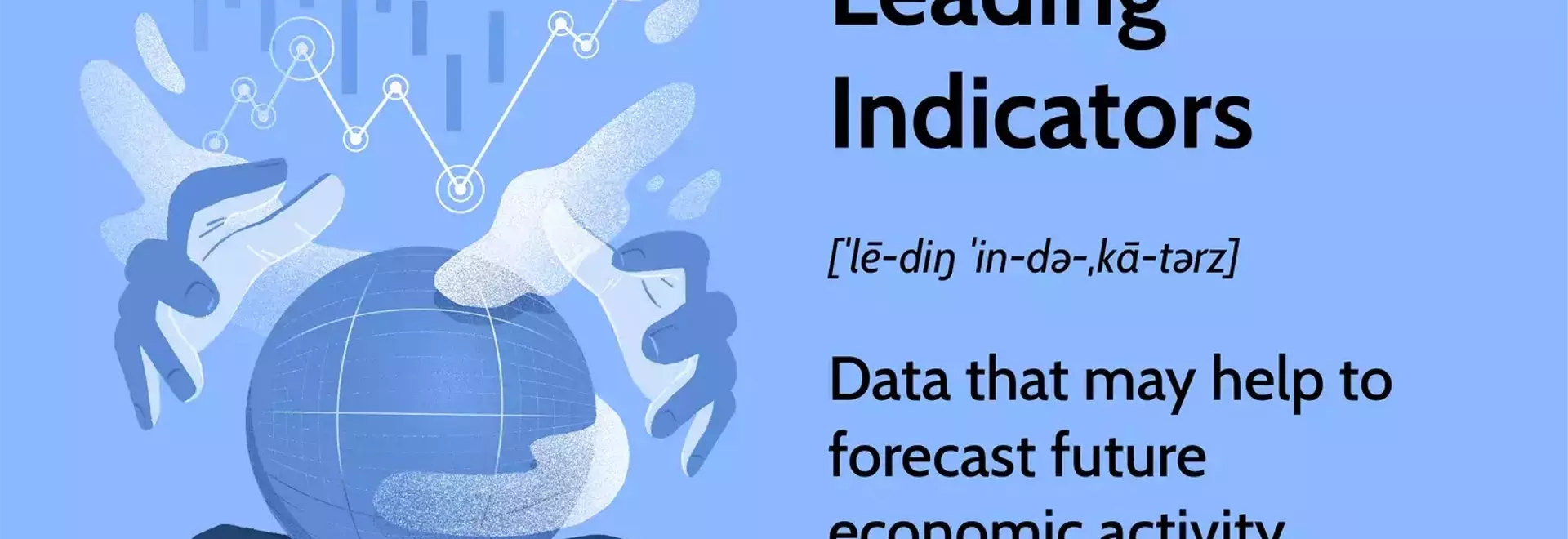
A leading indicator comprises measurable data points that can signal forthcoming economic developments. These metrics enable businesses, government bodies, and investors to foresee changes in the economy before they materialize, allowing for proactive adjustments in strategies. Examples include the Consumer Confidence Index and the Purchasing Managers' Index, which, when analyzed alongside other data, help predict shifts in economic behavior. These differ from lagging indicators, which reflect past events, and coincident indicators, which capture current economic conditions.
The Predictive Mechanism of Leading Indicators in Economic Trends
For leading indicators to be effective, they must be quantifiable. Policymakers and central banks utilize these indicators to inform fiscal and monetary policy decisions. Businesses, in turn, examine them to anticipate future economic conditions and formulate strategic plans for market engagement and revenue generation. While a company's past financial performance provides valuable context, it does not guarantee future success, underscoring the need for forward-looking indicators. Investors leverage leading indicators, particularly those tied to the stock market, to shape their investment strategies, focusing on metrics such as housing market activity, retail sales, and building permits.
Illustrative Cases of Key Leading Economic Indicators
The Purchasing Managers' Index (PMI) is closely monitored by economists as it reveals trends in manufacturing and services, offering insights into Gross Domestic Product (GDP) growth based on industrial demand. Durable goods orders, a monthly survey by the U.S. Census Bureau, tracks industrial activity and the health of the supply chain. The Consumer Confidence Index (CCI), another highly accurate leading indicator, surveys consumer sentiment regarding current and future economic conditions. Weekly jobless claims data from the U.S. Department of Labor signal shifts in economic health; a rise suggests a weakening economy, while a decrease indicates business expansion and job creation. The yield curve, particularly the spread between two-year and ten-year Treasury yields, is also a critical leading indicator, with an inverted curve often preceding economic recessions. Finally, while not officially reported, consumer complaints and online reviews can serve as leading indicators of potential business issues, impacting future revenue and growth, while positive feedback suggests upward trends.
Assessing the Predictive Reliability of Leading Indicators
Leading indicators are not infallible, but their combined analysis with other data sources can offer significant insights into an economy's future. Ideally, a leading indicator accurately predicts economic changes over an extended period. However, in practice, their performance varies. For instance, new orders for capital goods can warn of economic downturns far in advance, but the timing and magnitude of these changes relative to GDP or stock prices can be imprecise. Conversely, some indicators provide highly accurate and precise information over shorter timeframes, enabling detailed business or investment planning, but may not offer sufficient lead time for full strategic advantage. Therefore, integrating a diverse array of leading indicators, each with varying degrees of accuracy, precision, and foresight, is essential for optimizing future performance.
Leading Versus Lagging Economic Indicators: A Comparative Overview
Leading indicators foresee future economic performance, whereas lagging indicators confirm past economic changes and market patterns. Leading indicators provide actionable foresight, allowing stakeholders to preemptively adjust strategies, though their accuracy can fluctuate and benefits from being considered alongside other data. Lagging indicators, conversely, offer reliable retrospective insights into economic and business trends, validating past assumptions and informing future strategic decisions based on proven outcomes.