Navigating Market Turbulence: Expert Financial Advice for Investors
In times of market instability, like the recent downturn spurred by international conflicts, navigating investment decisions can be daunting. Financial advisors emphasize that a calm and strategic approach, rather than emotional reactions, is crucial for preserving and growing wealth. The core of their guidance centers on tailoring investment strategies to an individual's financial timeline and risk tolerance, ensuring that short-term fluctuations do not derail long-term financial goals. This involves understanding when to remain steadfast, when to adjust allocations, and how to minimize losses when immediate liquidity is necessary.
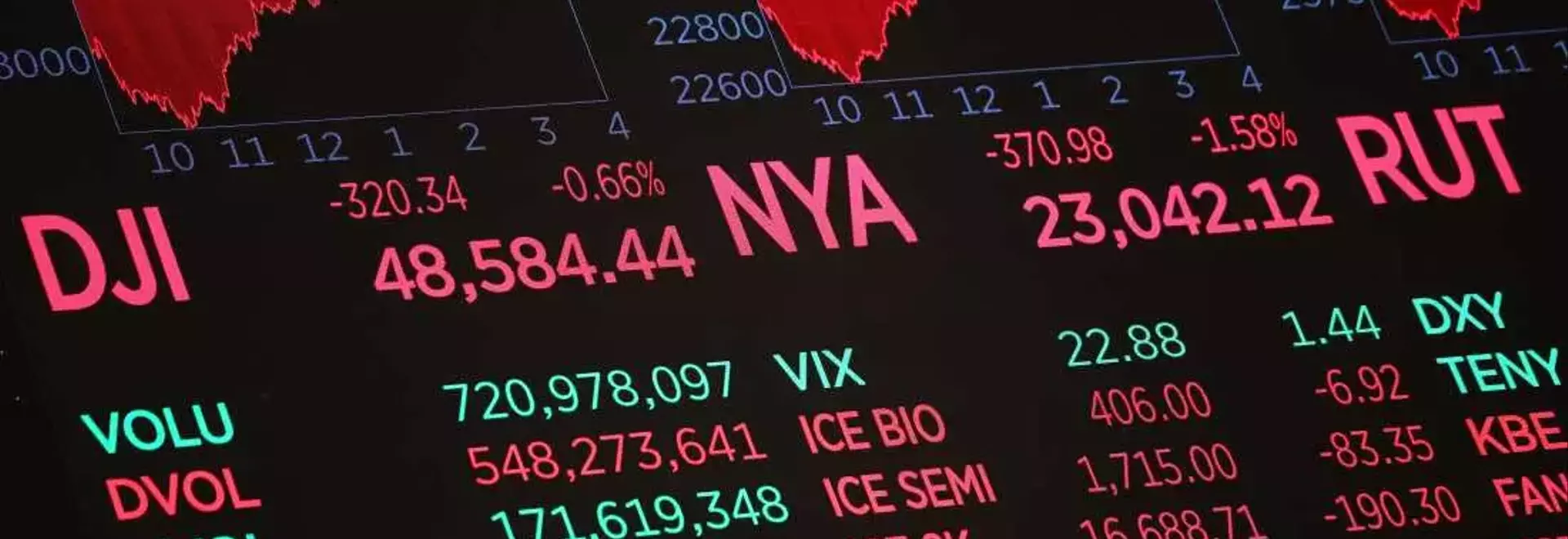
The current economic climate, characterized by rising oil prices and a dip in stock market performance, highlights the importance of prudent financial planning. While the recent market decline has impacted various investment vehicles, from retirement savings to college funds, experts encourage investors to differentiate between temporary dips and more severe market conditions. Their collective wisdom underscores the value of diversification, long-term perspective, and rational decision-making as pillars for weathering economic storms and emerging stronger.
Long-Term Investment Strategies Amidst Market Volatility
For individuals with a lengthy investment horizon, typically a decade or more, the most consistent advice from financial experts is to avoid impulsive reactions to market downturns. History shows markets often rebound from significant global events, presenting periods of reduced prices as potential opportunities for strategic investment. Such moments, while perhaps unsettling, can allow long-term investors to acquire assets at a lower cost, thereby enhancing future returns as the market recovers and grows.
This steadfast approach is rooted in the understanding that market fluctuations are an inherent part of the investment landscape. Rather than being deterred by temporary declines, investors with sufficient time should consider these periods as advantageous for dollar-cost averaging or making new investments. This strategy not only mitigates the risk associated with timing the market but also capitalizes on the long-term upward trend that markets have historically demonstrated, reinforcing the principle that patience often yields significant rewards in investing.
Adapting Portfolios for Near-Term Needs and Global Diversification
As investors approach critical financial milestones, such as retirement or college tuition payments, a shift in investment strategy becomes prudent. For those within a few years of needing their funds, financial advisors recommend rebalancing portfolios to reduce exposure to volatile assets like stocks and increase holdings in more stable options, such as government bonds. This adjustment helps to safeguard accumulated wealth against sudden market shocks, ensuring that funds are available when needed without being subject to significant short-term depreciation.
Furthermore, diversifying investments beyond domestic markets into international funds is a key strategy for enhancing portfolio resilience. Global diversification spreads risk across different economies and market cycles, potentially capturing growth in overseas markets even when domestic markets are underperforming. This approach not only provides a buffer against localized economic downturns but also offers opportunities for growth from a broader range of global economic advancements, illustrating a comprehensive strategy for managing risk and maximizing potential returns.