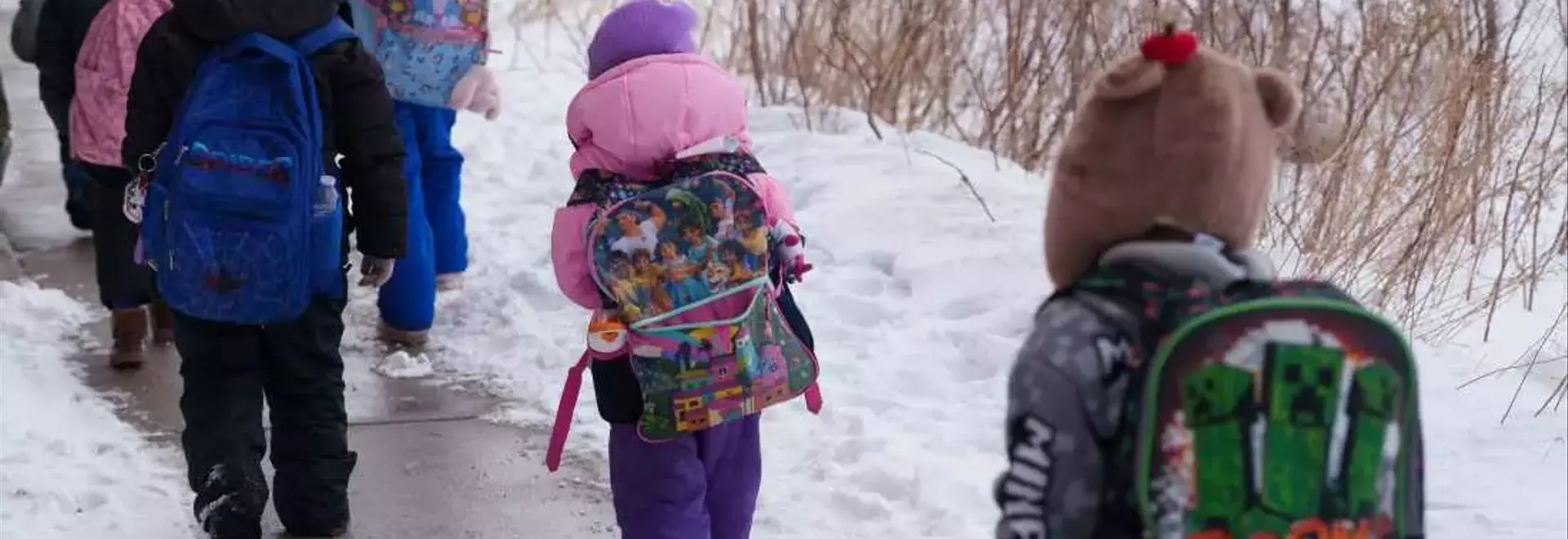
Minnesota School Embraces Resilience After Immigration Enforcement Surge
A Minnesota school community is demonstrating remarkable resilience and dedication in the face of significant challenges stemming from recent immigration enforcement actions. The intensive immigration operation by federal agents in Minnesota led to widespread fear and disruption, particularly affecting the state's Latino population. At a Spanish immersion elementary school in St. Paul, this period resulted in many students shifting to online learning, families relocating, and an increased sense of anxiety among both students and staff. Despite these adversities, the school has committed itself to fostering an environment of safety, healing, and continued support, showcasing how collective effort can mitigate trauma and rebuild a sense of normalcy for vulnerable children.
The events in Minnesota underscore the profound impact of immigration policies on children's well-being and education. The fear of family separation and deportation created a ripple effect, causing emotional distress, academic disruption, and even displacement for some families. However, the story also highlights the incredible strength of community and educational institutions in responding to such crises. Through empathetic teaching, robust support systems, and a commitment to creating a protective bubble around its students, this St. Paul school exemplifies how local efforts can provide a vital buffer against external pressures, allowing children to reclaim their sense of stability and connection.
Rebuilding Student Well-being After Immigration Enforcement
In the aftermath of an intensive federal immigration enforcement surge in Minnesota, a St. Paul Spanish immersion elementary school has embarked on a dedicated mission to heal and restore its student body. The operation, which instilled widespread fear among Latino families, led to significant emotional distress and educational disruptions. Many students, fearing for their families' safety, opted for remote learning, with some even leaving the state or country entirely. The school's principal and teachers noted a palpable increase in anxiety among the children, who worried about their parents being detained. This period highlighted the vulnerability of young learners to external societal pressures and the critical role schools play as sanctuaries.
The school's response was multifaceted, aiming to address both the immediate and long-term impacts of the immigration surge. Educators, like Ms. A, drew parallels to literary works such as 'Don Quixote' to discuss themes of doing good in the world, providing a creative outlet for students to process their feelings. The school implemented a virtual learning option, though it observed that students were less engaged online, reflecting the emotional toll. Community support, including a bustling food pantry stocked with essential goods, became a cornerstone of their efforts. This collective approach, coupled with heightened security measures and ongoing vigilance, has been crucial in helping students feel more secure and begin the process of returning to a semblance of routine and normalcy.
Community and Educational Resilience in Crisis
The resilience of the St. Paul school community in the face of immigration enforcement illustrates a powerful model of collective support. During the height of the federal operation, families were gripped by fear, with some non-white citizens feeling compelled to carry passports as a precaution, and protests being met with force. The deep-seated anxiety extended to school staff, with Latino educators expressing their own concerns about personal safety and preparing their children for potential detention scenarios. This pervasive atmosphere of apprehension deeply affected the educational environment, leading to a significant drop in in-person attendance as families prioritized safety over school presence.
Despite the lingering fears and the physical departure of some families, the school and its surrounding community have forged a strong network of support. Researchers emphasize that community well-being is intrinsically linked to children's developmental resilience, highlighting the importance of initiatives like the school's ongoing food pantry, which serves as a protective barrier for families. The return of many students to in-person learning, though gradual, has been met with excitement and relief by both peers and teachers. These moments of reunion and shared experience are vital in helping children re-establish connections and overcome the trauma they have endured, reinforcing the idea that a caring and vigilant community can profoundly aid in the healing process and create a space where children feel loved and safe to learn.