Michigan Secures Second NCAA Basketball Title in Gritty Victory Over UConn
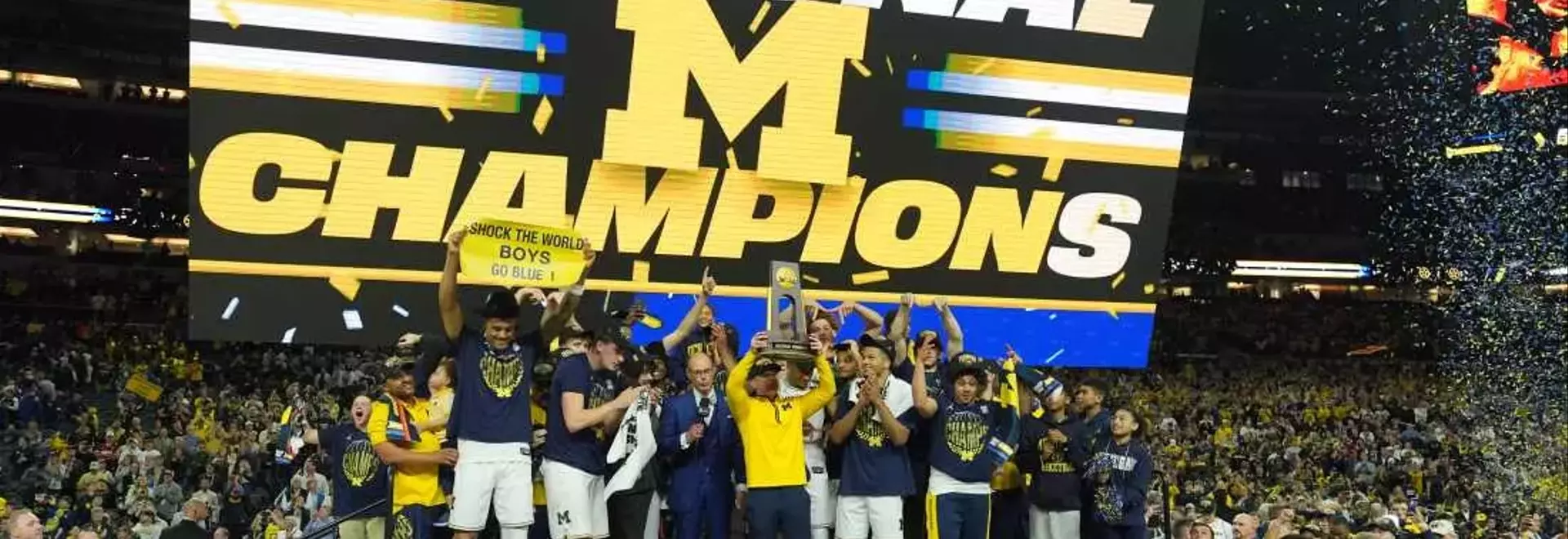
The Michigan Wolverines have clinched their second NCAA national basketball title, overcoming the tenacious UConn Huskies in a gritty 69-63 contest. This victory, secured on April 6, 2026, in Indianapolis, marks a significant moment for the program, showcasing their resilience and strategic depth despite facing considerable challenges during the championship game.
Michigan's Resilient Path to the NCAA Title Against UConn
In a hard-fought battle at the Final Four in Indianapolis on Monday, April 6, 2026, the Michigan Wolverines secured their second NCAA men's basketball national championship by defeating the UConn Huskies with a final score of 69-63. This pivotal win came after a game that defied expectations, with Michigan, typically known for its high-scoring offense, relying on a more physical and defensive approach.
Leading the charge for the Wolverines was Elliot Cadeau, who contributed 19 points, including the team's initial three-pointer, which remarkably didn't occur until just over seven minutes into the second half. Freshman Trey McKenney sealed the victory with another crucial three-pointer at the 1:50 mark, extending Michigan's lead to nine points and effectively serving as a decisive blow to UConn's hopes. Despite Michigan's struggles from beyond the arc, converting only two of fifteen three-point attempts, their exceptional free-throw shooting, hitting 25 of 28 attempts, proved instrumental in maintaining their advantage.
UConn, under coach Dan Hurley, mounted a persistent challenge, particularly excelling in offensive rebounds with a 22-12 advantage. Key moments of their comeback included Solo Ball's banked-in three-pointer, reducing the deficit to four points, and Alex Karaban's (17 points) near-miss three-pointer that could have brought them within one. However, the Huskies' own shooting woes, including missing their first eleven three-point attempts in the second half and a team-wide 30.9% field goal percentage, ultimately hindered their efforts to secure a consecutive title. Star player Yaxel Lendeborg battled through knee and foot injuries, scoring 13 points on a challenging 4-for-13 shooting night, embodying the team's determination.
Coach Dusty May lauded his team's ability to find a way to win despite not playing their prettiest basketball. The Wolverines, finishing the season with an impressive 37-3 record, demonstrated that their success was built on adaptability and tenacity. This championship, their first since 1989, was particularly notable given that the team was largely composed of transfers, a testament to May's skill in integrating new talent and fostering a winning culture. As Yaxel Lendeborg proudly declared, this team, often labeled "mercenaries," proved to be the hardest-working and among the greatest in college basketball history.
This triumph by Michigan serves as a powerful reminder that success in competitive sports often transcends mere talent; it fundamentally relies on unwavering determination, strategic adaptation, and cohesive teamwork. The Wolverines' ability to overcome their shooting deficiencies and withstand a relentless opponent highlights the importance of mental fortitude and collective effort. Their journey underscores that even with a team largely constructed through the transfer portal, a strong coaching vision and a robust team culture can forge champions, inspiring future teams to believe in the power of resilience and unity on their path to greatness.