New Accessibility Regulations Offer Hope to Blind Students in Higher Education
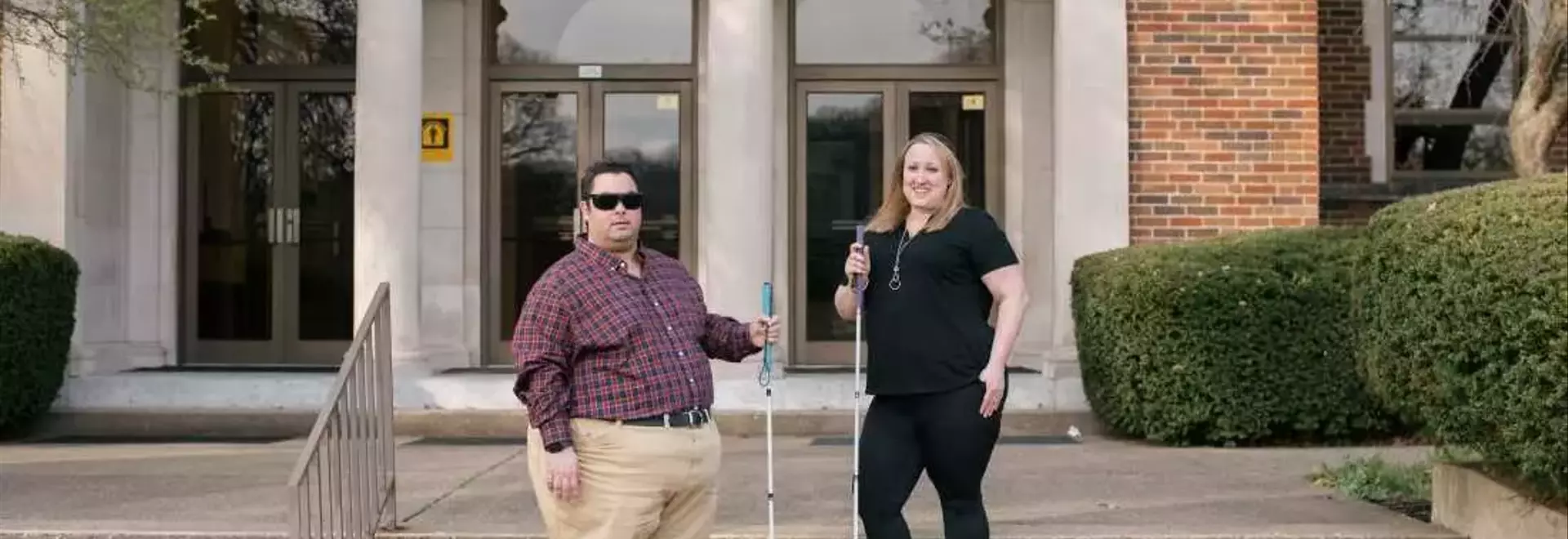
Blind students Miranda Lacy and Harold Rogers encountered substantial barriers in their pursuit of master's degrees at West Virginia University (WVU), where inaccessible digital learning resources hindered their academic progress. Despite their prior academic success at West Virginia State University, their experience at WVU's online Master's in Social Work program was fraught with challenges, as course materials, including modules and readings, were largely incompatible with screen reader software essential for visually impaired individuals. This systemic lack of digital accessibility not only obstructed their learning but also underscores a critical issue within higher education concerning equitable access for students with disabilities, particularly in an increasingly digital academic environment.
Their ordeal, described by Rogers as navigating a ski slope without assistance, highlights the pervasive nature of digital inaccessibility. Rogers demonstrated how a simple PDF document, easily accessible to sighted students, became an insurmountable obstacle due to unreadable text and unlabeled images, forcing him and Lacy to spend more time troubleshooting technical issues than engaging with their studies. This situation led them to pursue legal action against WVU, alongside the National Federation of the Blind, after their attempts to negotiate accommodations proved unsuccessful and, in Rogers' case, allegedly resulted in retaliatory disciplinary action. Their lawsuit seeks to implement policy changes at WVU to enhance digital accessibility and provide compensation for the lost educational time, aiming to set a precedent for broader institutional change.
A significant shift is on the horizon with updated regulations to the Americans with Disabilities Act (ADA), which are expected to mandate specific digital accessibility standards for public institutions, including universities. These forthcoming changes, which build upon existing ADA requirements, aim to address the long-standing issue of widespread digital inaccessibility by requiring adherence to guidelines like WCAG 2.1, ensuring features such as improved color contrast, video captioning, and keyboard navigability. While this represents a monumental "sea change" for colleges, emphasizing proactive accessibility design rather than reactive accommodations, experts acknowledge the challenges in implementation for large institutions. The burden of enforcement may still fall disproportionately on individuals with disabilities, as demonstrated by Lacy and Rogers, who are fighting not just for their own educational rights but for a more inclusive future for all students.
The pursuit of justice by Miranda Lacy and Harold Rogers exemplifies the unwavering spirit of individuals advocating for fundamental rights. Their courage to challenge systemic barriers in higher education resonates deeply, reminding us that true progress stems from ensuring equal opportunities for every member of society. As new accessibility regulations come into effect, it is imperative for educational institutions to embrace these changes not merely as compliance mandates but as opportunities to foster environments where all students can thrive. By championing digital inclusivity, we cultivate a world where disability is no longer a barrier to knowledge and personal growth, thereby enriching the collective human experience and strengthening the fabric of our communities.