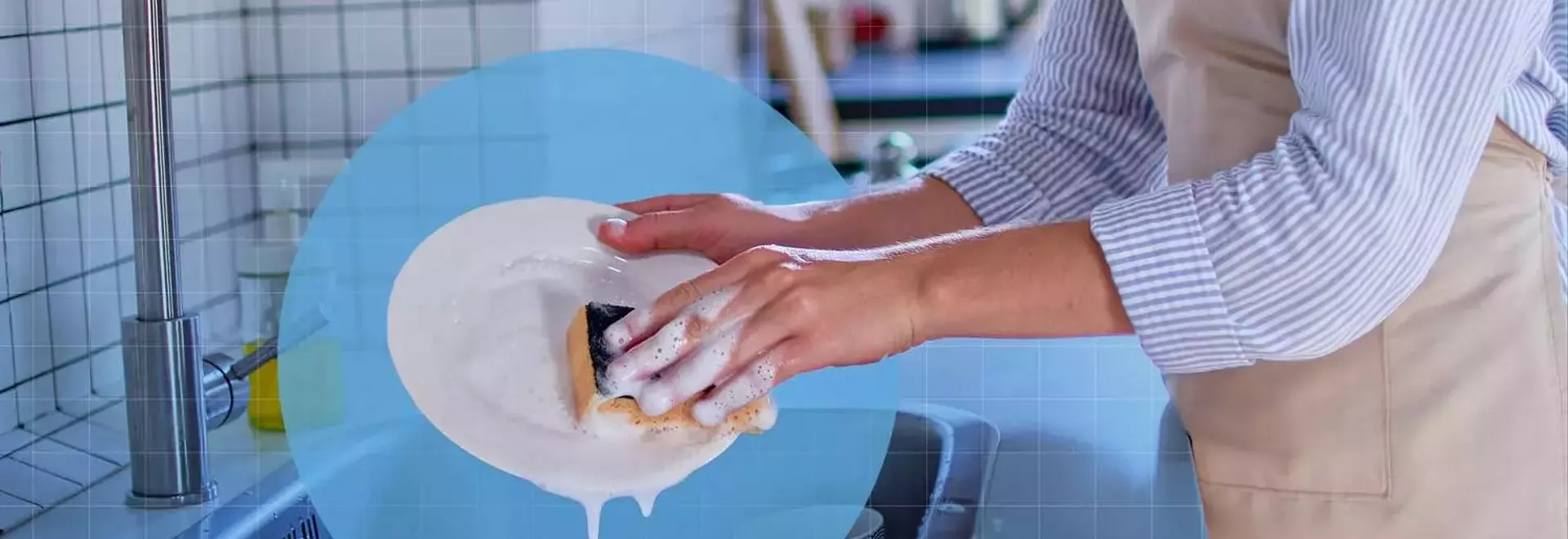
The Lifespan of Your Kitchen Sponge: When to Replace and How to Extend Its Use
Maintaining a hygienic kitchen is paramount, and a crucial aspect involves the proper management of cleaning tools. While cooking a delightful meal is a rewarding experience, the subsequent cleaning process, particularly dishwashing, is an unavoidable chore in any home kitchen. Although various strategies exist to simplify kitchen cleanup, such as lining baking sheets with foil, the necessity of washing dishes after every meal remains constant.
Your kitchen sponge, an indispensable item for tasks ranging from wiping down countertops after preparing a meal to gently cleaning delicate knives, inevitably degrades and accumulates bacteria over time. To ensure a safe and sanitary kitchen environment, it's vital to understand when to replace your sponge. Experts from Scotch-Brite suggest replacing sponges at least every 3 weeks to a month. This recommendation stems from the fact that sponges can harbor a variety of harmful bacteria, including Campylobacter, Salmonella, Staphylococcus, E. coli, and Listeria. These microorganisms can lead to mild to severe gastrointestinal issues or skin irritation. Research indicates that Salmonella can proliferate rapidly, sometimes within a single day. Fortunately, studies have also shown that common disinfection methods like washing with chlorine, boiling, or running through a dishwasher cycle can effectively eliminate Salmonella. However, if a sponge has come into contact with pathogenic microorganisms, such as from raw food spills, it should be immediately discarded.
The longevity of a sponge is largely determined by its usage and maintenance. Sponges used for lighter tasks like washing dishes and wiping clean countertops typically last longer than those subjected to heavy-duty scrubbing. Pay attention to sensory cues: a bad odor or slimy texture indicates that your sponge has reached its expiry. Similarly, if a sponge appears visibly soiled, it's a clear sign that it needs to be replaced. To extend the life of your sponges, proper care is essential. Regularly cleaning and sterilizing them, as suggested by scientific studies, can significantly prolong their usability. Additionally, it's wise to assign specific cleaning tools for different tasks. For instance, avoid using your regular kitchen sponge for cleaning up raw meat juices on cutting boards or counters; instead, opt for paper towels, antibacterial wipes, or cloths that can be thoroughly laundered. Reserve kitchen sponges for lighter duties, such as washing dinner plates or tackling minor spills. For tougher jobs, like scrubbing cast iron, it's better to use more robust cleaning pads. By adopting these practices, you can effectively minimize bacterial contamination and ensure your sponges remain effective for approximately a month.
Ultimately, kitchen sponges have a relatively limited lifespan, and their effectiveness is directly tied to how they are used and maintained. Prioritizing their cleanliness and replacing them regularly are critical steps in maintaining kitchen hygiene. By integrating diverse cleaning tools like brushes and scrubbing pads for various tasks, you can optimize the use of your sponges, ensuring they remain effective and safe for their intended purpose. Thoughtful care and timely replacement of sponges contribute to a healthier kitchen environment and, by extension, a healthier home, fostering a positive and responsible approach to daily chores.