The Art of Chopstick Mastery: Technique and Cultural Nuances
Using chopsticks efficiently involves a blend of personal comfort and cultural awareness. While a universally acknowledged "correct" method may not exist, certain grips enhance control and ease of use. Equally important is adhering to established etiquette, which varies across cultures and helps ensure a respectful dining experience for everyone at the table.
Ultimately, the objective is to enjoy your meal without awkwardness or disrespect. Whether you adopt a traditional hold or a modified approach, the key is to develop a style that feels natural and allows you to handle food gracefully, always mindful of the unspoken rules that govern shared meals.
Mastering the Fundamentals of Chopstick Usage
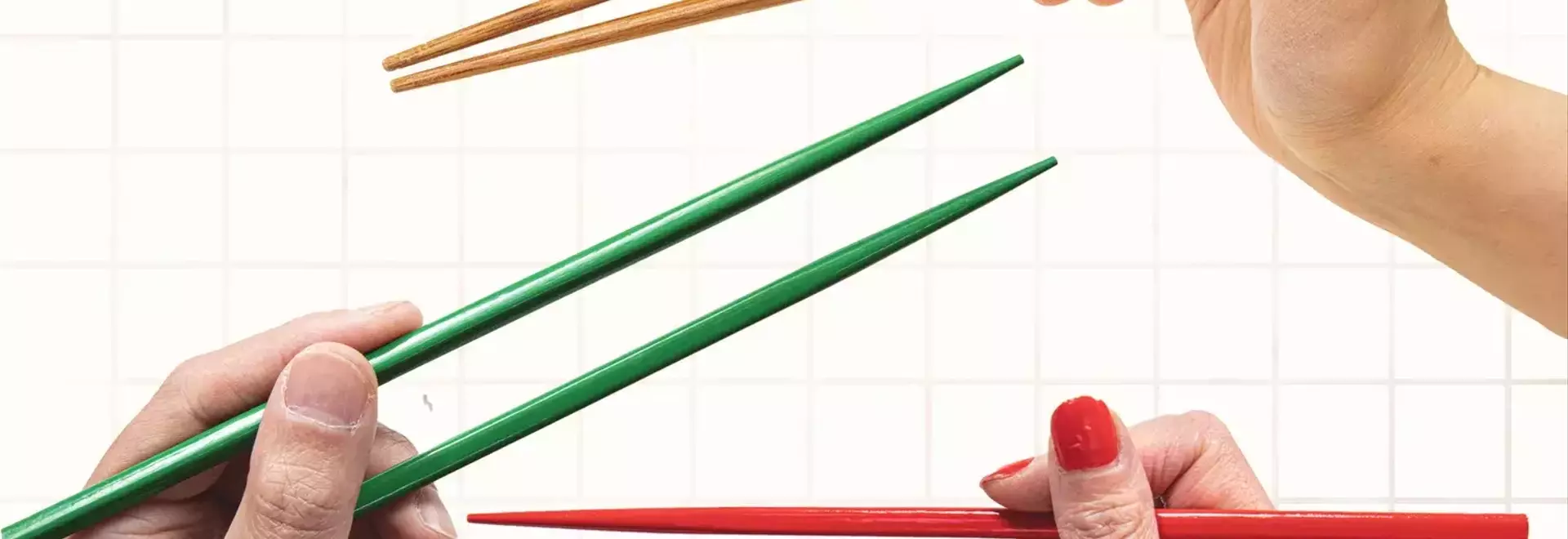
For many, the standard method provides the most effective way to wield chopsticks. This technique involves securing one stick between the index and middle fingers while the other rests on the ring finger, forming a stable base. The upper stick then moves to grasp food, offering precise control over small or slippery items. This ergonomic approach minimizes hand and wrist strain, making it the most comfortable for extended use. While this grip is widely advised, individual preferences and family traditions often lead to diverse holding styles. For instance, some may adopt a more relaxed, pencil-like grip, which, though effective for many, can sometimes make handling smaller food particles more challenging.
Despite the prevalence of various personal styles, the consensus among many seasoned chopstick users is that there is no singular "incorrect" way to hold them. The emphasis shifts from rigid adherence to a specific grip to finding a method that ensures food can be picked up cleanly and comfortably. What truly matters is the ability to dine without difficulty, focusing on efficiency and preventing dropped food. Experts often highlight that while the mechanics of holding are adaptable, the social grace associated with their use is paramount.
Navigating Chopstick Customs with Grace
Beyond individual technique, the social conventions surrounding chopstick use are crucial for a respectful dining experience. Cultural norms dictate how chopsticks should be handled, placed, and used to avoid unintended offense. For example, a common faux pas in many Asian cultures is sticking chopsticks upright into a bowl of rice, as this arrangement can symbolize funerary rites and is considered highly disrespectful. Similarly, using chopsticks to point at people or to transfer food directly from one person to another is generally discouraged.
Practitioners of chopstick etiquette also advise against other actions such as spearing food, using them to gesture broadly, or treating them as playthings, like mimicking walrus tusks. These behaviors can be seen as uncouth and demonstrate a lack of cultural sensitivity. Instead, the focus should always be on mindful and polite usage, ensuring that every action contributes to a harmonious mealtime environment. Adhering to these unwritten rules not only shows respect for the culture but also enhances the overall dining experience for everyone involved.