Horse Powertrain's Compact Hybrid Engine for EV Conversion
Horse Powertrain introduces a groundbreaking solution for electric vehicle owners seeking to integrate gasoline power: the X-Range C15 Direct Drive. This all-in-one system enables the conversion of an EV into a gasoline hybrid, presenting a significant leap in automotive adaptability. The compact design and versatile power output options aim to streamline the transition for both consumers and manufacturers.
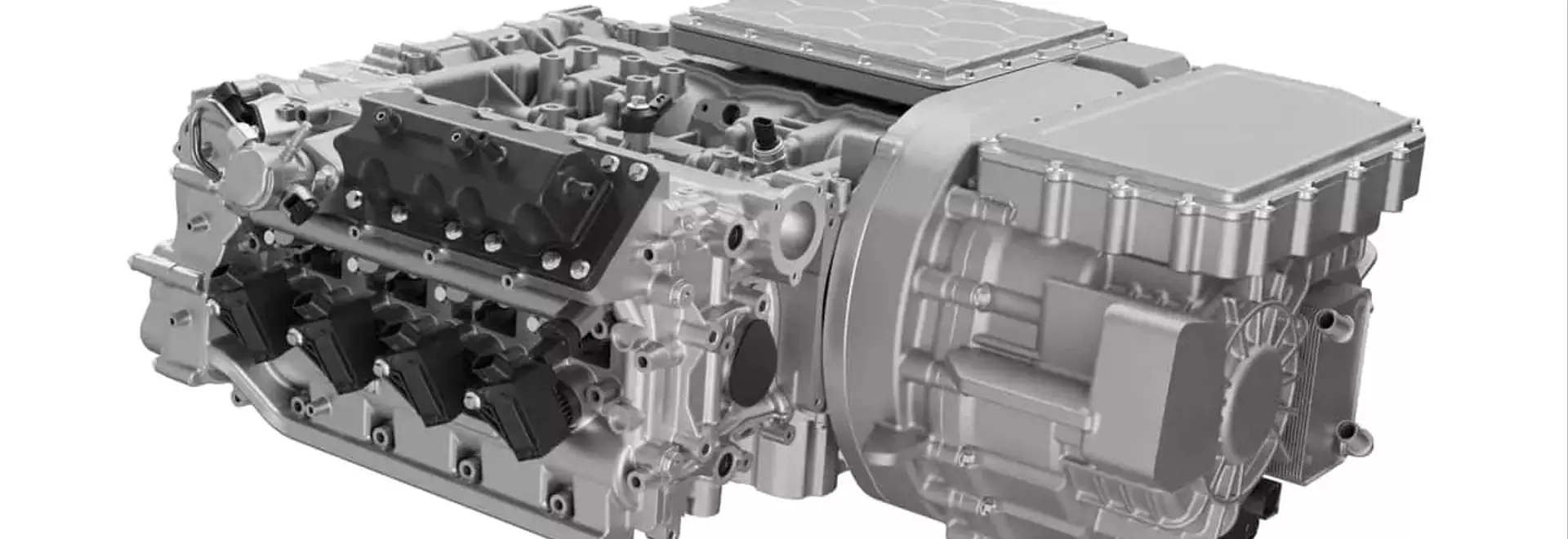
The innovative X-Range C15 Direct Drive unit from Horse Powertrain is engineered to be a direct replacement for existing EV drive units. It ingeniously integrates both an electric motor, specifically the F15, and a 1.5-liter four-cylinder gasoline engine, known as the C15. While the F15 motor is designed to take the place of front electric drive units, and the C15 engine functions as a range extender, their combined output is substantial enough to serve as the primary propulsion system. This integrated approach offers a seamless conversion, effectively transforming an all-electric vehicle into a versatile hybrid.
A key aspect of this technology is its unique packaging. To ensure compatibility with the constrained undercarriage space of electric vehicles, the engine is designed to lie flat. This 'pancaked' configuration, reminiscent of older vehicle designs, allows for superior vertical integration, where the electric components actually occupy more vertical space than the combustion engine itself. The unit comes complete with all necessary electronics, controllers, and auxiliary components, making it a ready-to-install package.
The system operates in a parallel hybrid configuration, featuring two motors. Horse Powertrain's CEO, Matias Giannini, highlighted that the X-Range powertrain family is a response to current market demands. It provides automakers with the flexibility to adapt quickly and at scale from purely battery-electric platforms to hybrid or range-extended solutions. Customers can choose between a naturally aspirated variant delivering 94 horsepower or a turbocharged option boasting 148 horsepower, catering to diverse performance needs.
However, implementing this conversion is not without its challenges. While the unit itself is comprehensive, practical considerations such as finding space for a fuel tank, radiator, and other cooling systems remain. Horse Powertrain suggests that the unit's rear placement offers some flexibility, but these elements will still require custom fabrication and installation. Additionally, fine-tuning the powertrain for each specific vehicle application will be essential to ensure optimal performance and integration. This signifies that while the core technology is advanced, the full conversion process will still involve considerable specialized work, rather than being a simple plug-and-play solution.
This innovative offering from Horse Powertrain marks a pivotal moment for the automotive industry, providing a pathway for electric vehicles to gain the extended range and flexible fueling options of hybrids. By addressing the current market realities, this technology empowers manufacturers and consumers with more choices, bridging the gap between pure electric and traditional combustion engine vehicles. The promise of an 'all-in-one' conversion kit, despite the inherent installation complexities, opens up new possibilities for vehicle customization and sustainability.