The Economic Intersection with Nature: An Analysis of Environmental Economics
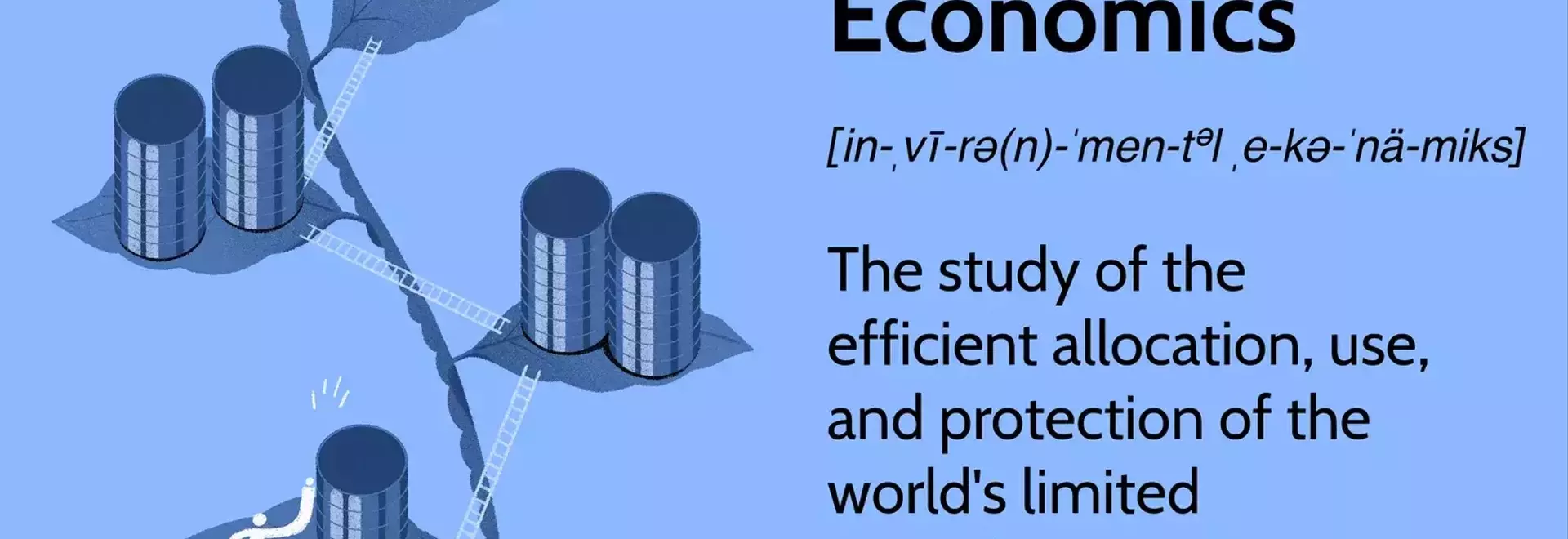
Environmental economics is a vital discipline that explores the dynamic interplay between human economic endeavors and the natural environment. It focuses on the efficient allocation and sustainable management of finite natural resources, recognizing the profound impact economic activities have on ecological systems. This field provides critical insights for developing policies that foster both economic prosperity and environmental protection, addressing complex challenges such as negative externalities and the inherent value of natural assets. Through its analytical frameworks, environmental economics strives to guide societies toward more sustainable practices and a balanced coexistence with nature.
Understanding Environmental Economics: Policies, Challenges, and Solutions
Environmental economics serves as a crucial bridge between human prosperity and ecological health, examining how societies can effectively manage and utilize their natural endowments without compromising the planet's long-term well-being. This field is particularly concerned with the economic valuation of environmental goods, such as clean water and air, which are often overlooked in traditional economic models. It highlights that the overuse or degradation of these public goods constitutes a market failure, driven by negative externalities like pollution. Environmental economists, in collaboration with entities like the U.S. Environmental Protection Agency (EPA), rigorously analyze the costs and benefits of various policy interventions designed to address these issues. For instance, the EPA, established in 1970 by President Richard Nixon, frequently employs environmental economists to inform policy decisions, such as fuel economy standards for vehicles and the analysis of climate change impacts.
The policy toolkit in environmental economics is diverse, encompassing both prescriptive regulations and market-based incentives. Prescriptive regulations involve direct mandates, such as prohibiting highly polluting industries or requiring specific emission-control technologies. In contrast, market-based approaches, like cap-and-trade systems and carbon taxes, leverage economic mechanisms to encourage environmentally friendly behaviors by imposing financial costs on harmful activities or offering incentives for sustainable practices. A prime example is the cap-and-trade system, where companies can offset their carbon emissions by purchasing credits, thereby creating an economic incentive to reduce pollution. Similarly, corporate average fuel economy (CAFE) regulations, introduced in the 1970s amidst gas shortages, represent a prescriptive approach aimed at enhancing fuel efficiency.
However, the implementation of environmental economic policies is not without its hurdles. The inherently transnational nature of many environmental challenges, such as overfishing or climate change, necessitates international cooperation. Global issues demand global solutions, leading to the involvement of non-governmental organizations like the Intergovernmental Panel on Climate Change (IPCC) in facilitating multilateral agreements. Domestically, these policies often ignite significant political debate, as stakeholders may disagree on the true extent of externalized environmental costs. Despite these challenges, environmental economics remains dedicated to developing innovative strategies and fostering collaborations among academics, policymakers, and industries to forge a sustainable future.
The study of environmental economics offers profound insights into fostering a sustainable future. It compels us to acknowledge the intrinsic economic value of natural resources and the often-hidden costs of environmental degradation. By integrating ecological considerations into economic decision-making, we can develop more effective and equitable policies. This field encourages a holistic view, emphasizing that a healthy economy is inextricably linked to a healthy planet. Embracing the principles of environmental economics is not merely an academic exercise, but a practical imperative for safeguarding our shared environment for current and future generations.