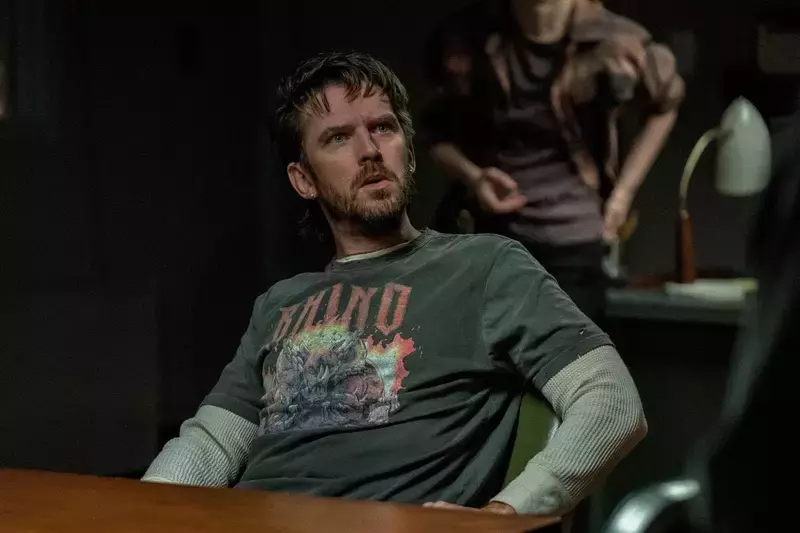
Dan Stevens and David W. Zucker Discuss 'The Terror: Devil in Silver,' U.S. Mental Health, and Genre Appeal
In an insightful discussion, actor Dan Stevens and executive producer David W. Zucker shed light on the forthcoming AMC series, 'The Terror: Devil in Silver.' This installment, part of an acclaimed horror anthology, stands out for its blend of psychological thrills and social commentary, particularly concerning the U.S. mental health system. The narrative follows Pepper, a protagonist whose journey through a psychiatric hospital forces him to confront both a tangible monstrous presence and his deeply buried personal struggles.
Details on 'The Terror: Devil in Silver' and Its Broader Themes
On April 27, 2026, the highly anticipated series 'The Terror: Devil in Silver' made its global debut at Canneseries. During this event, leading actor Dan Stevens, renowned for his roles in 'Downton Abbey' and 'Legion,' along with executive producer David W. Zucker from Ridley Scott's Scott Free Productions, shared their perspectives on the show's intricate themes. Stevens takes on the complex character of Pepper, a man initially seen in a volatile state, whose impulse to violently confront his girlfriend's ex leads to his commitment to New Hyde Psychiatric Hospital instead of a conventional jail.
Within the confines of New Hyde, Pepper encounters not only a malevolent entity that preys on patients but also grapples with his own internal turmoil. The series, set to launch on AMC+ and Shudder on May 7, features a distinguished cast including Judith Light, CCH Pounder, Aasif Mandvi, John Benjamin Hickey, Stephen Root, and Michael Aronov. Directors like Emmy nominee Karyn Kusama, who helmed the first two episodes, bring a nuanced approach to the horror genre, moving beyond simple scares to a deeper psychological exploration.
Zucker highlighted that 'Devil in Silver' is unique within 'The Terror' anthology for being set in modern times, focusing on individual accountability and the confrontation of inner truths. Stevens further elaborated on the social critique embedded in the narrative, portraying New Hyde not as a place of healing, but as a metaphor for society's institutional neglect of its 'undesirables.' The series provocatively asks whether the visible 'monster' or the systemic failures of the mental health system are truly more terrifying, exploring issues of poverty, race, and bureaucratic indifference in shaping who gets confined.
Reflections on Genre, Social Commentary, and Human Vulnerability
The conversation with Dan Stevens and David W. Zucker offers a compelling look at the evolving landscape of genre storytelling. Stevens articulated his attraction to projects that utilize the horror framework to spark broader societal dialogues, particularly when conventional lenses fall short. He views the genre as a canvas for creativity and playfulness, allowing filmmakers to both adhere to and subvert established rules, pushing boundaries to surprise audiences. This approach, he believes, fosters a constant demand for originality and champions new ways of seeing the world.
Zucker emphasized the theme of vulnerability that runs through the entire 'Terror' anthology, noting how 'Devil in Silver' delves into our shared culpabilities and the suppression of difficult truths. The series' exploration of Pepper's journey, from indifference to empathy for his fellow patients, underscores a poignant message about human connection and the courage required to face personal demons. By blending a suspenseful narrative with incisive social commentary on the mental health system, 'The Terror: Devil in Silver' inspires viewers to reflect on their own perceptions of justice, compassion, and the hidden monsters within and around us.