The Art of Professional Networking: Building Bridges for Career Growth
Unlock Opportunities: Connect, Grow, Thrive!
Understanding the Core Concept of Networking: What It Truly Means
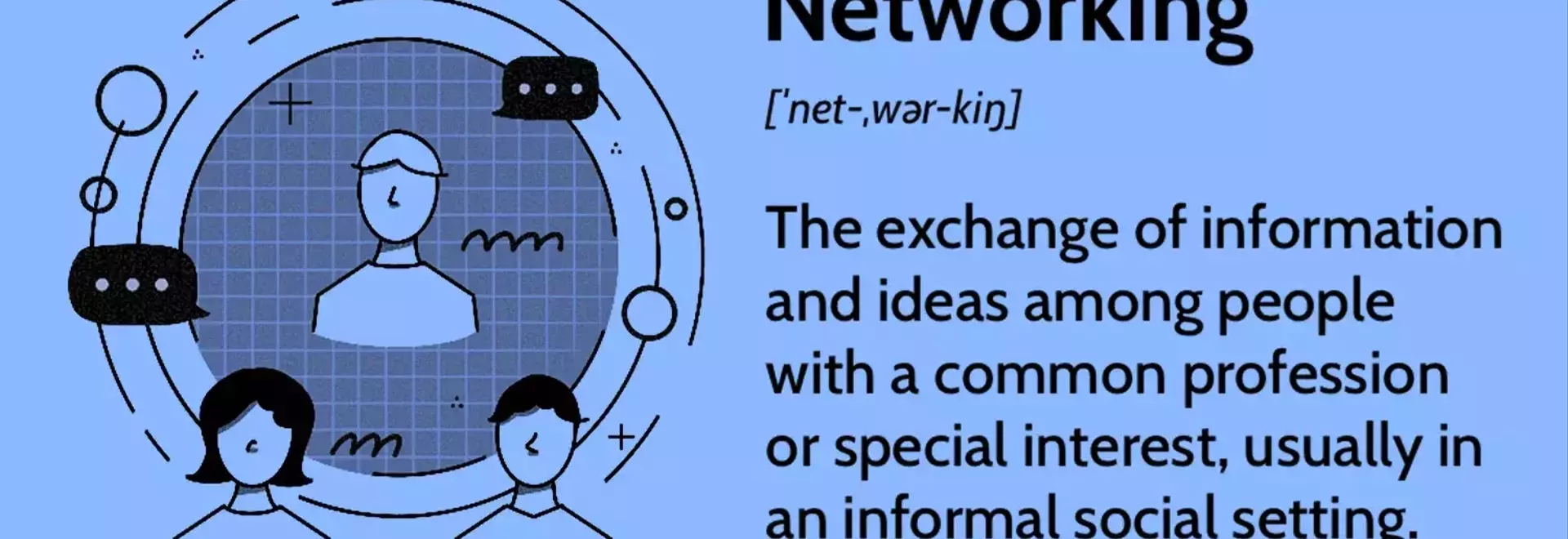
Networking, at its heart, is the dynamic exchange of knowledge and insights among individuals who share common professional interests or specializations. This interaction often takes place in informal social environments, where professionals aim to broaden their circles, discover new career prospects, and keep pace with the latest developments in their fields.
Mastering Effective Networking: Strategies for Building Meaningful Relationships
Individuals typically gravitate towards networking groups centered around a shared interest. This could range from professional associations, like those for financial advisors or social workers, to college alumni networks, religious community gatherings, or exclusive clubs. For career-driven individuals, prime networking opportunities often arise at industry trade shows, specialized seminars, and large conferences, which attract a diverse array of like-minded people. Engaging in these activities helps professionals stay informed about industry trends and cultivate relationships that can enhance future business ventures or employment opportunities. Furthermore, it creates avenues to assist others in their job searches, facilitate introductions, and exchange industry news.
For business owners, networking serves as a critical tool for establishing connections with potential collaborators or clients. These interactions are fundamental for building rapport and fostering trust within their respective communities. Successful business networking necessitates consistent follow-ups with contacts, enabling a continuous exchange of valuable information that might otherwise be inaccessible outside the established network.
Harnessing Digital Tools: Maximizing Online Platforms for Professional Connections
Digital networking platforms, such as LinkedIn, offer a robust virtual space for professionals to engage with peers, participate in specialized groups, publish thought leadership content, and share pertinent information. These platforms are also indispensable for showcasing one's qualifications, exploring job openings, or identifying suitable candidates. In today's digital age, business-to-business (B2B) client acquisition can be substantially driven through social networking sites. Online forums empower professionals to exhibit their expertise and forge connections with others who share similar professional aspirations. While LinkedIn stands as the premier professional network, a multitude of other platforms cater to niche communities, like online groups for specific demographics, or hybrid models that blend virtual and in-person interactions, such as Meetup.
Essential Tactics for Successful Networking: Navigating Your Connection Journey
Given the expanding landscape of networking opportunities, it is prudent to thoroughly assess available options before committing to a particular group. Aspiring entrepreneurs or job seekers might be inclined to join numerous networks; however, a more effective approach involves directing time and energy towards groups that align precisely with their specific needs and interests. Many networking organizations facilitate introductory events for prospective members, offering a glimpse into their community. Once integrated into a networking group, active participation is paramount. Effective networking is not solely about advancing personal objectives but also about contributing value to fellow members, fostering a symbiotic relationship.
Networking can illuminate avenues for collaboration, strategic joint ventures, partnerships, and novel directions for business expansion.
Why Is Building Professional Relationships So Valuable?
Establishing professional connections helps individuals stay abreast of current events in their sector. It cultivates relationships that can pave the way for future business or employment prospects. Ideally, this occurs within a relaxed and congenial social environment.
What Defines Online Professional Interaction?
Digital platforms like LinkedIn offer a space for individuals to interact with other professionals, join interest groups, publish content, and disseminate information. Crucially, these sites also serve as a medium for job seekers to post their résumés, making them visible to potential employers. Online networking forums empower professionals to showcase their knowledge and connect with like-minded individuals.