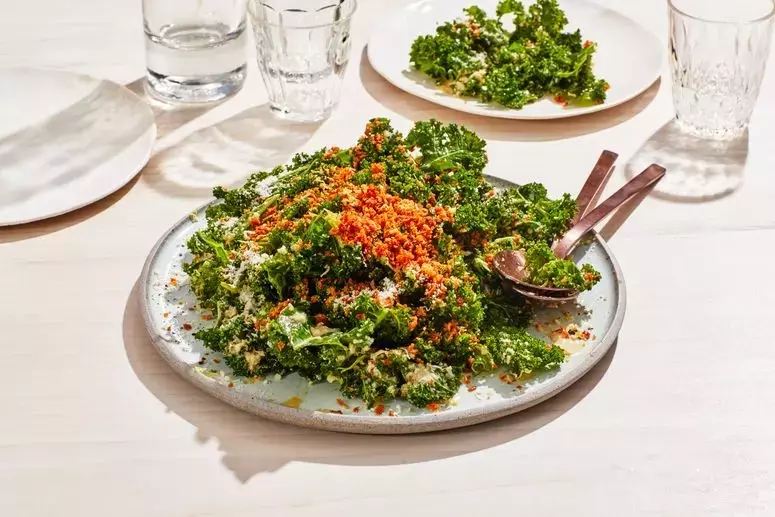
The Art of Massaging Kale for Enhanced Flavor
Understanding the nuances of preparing kale can elevate your culinary creations, transforming a notoriously fibrous vegetable into a delightful and tender component of any dish. The practice of massaging kale, though seemingly unusual, is a highly effective method for breaking down its tough cellular structure. This process not only softens the leaves but also enhances their ability to absorb dressings, leading to a more flavorful and palatable salad. While not every kale preparation necessitates this step, mastering the technique for raw applications can significantly improve the texture and overall eating experience.
This comprehensive guide delves into the methodology behind massaging kale, offering a step-by-step approach to ensure perfect results every time. It also explores the scientific basis for why this technique works, explaining how salt and acid contribute to the breakdown of tough fibers. Furthermore, we will differentiate between scenarios where massaging is crucial for optimal texture and those where it can be bypassed, depending on the type of kale and its intended use. By the end, you'll be equipped to decide when to employ this valuable trick and when to let the natural tenderness of certain kale varieties shine through.
Transforming Tough Kale: A Step-by-Step Guide to Massaging Greens
Massaging kale is a surprisingly simple yet incredibly effective culinary technique that revolutionizes the texture and taste of this nutrient-rich leafy green. The fundamental principle behind this method lies in the physical breakdown of kale's inherently tough cell walls, which are responsible for its chewy, sometimes bitter, raw state. By applying gentle pressure and incorporating key ingredients like salt and acid, home cooks can achieve a remarkable transformation. This process results in kale leaves that are not only significantly softer and more pleasant to chew but also develop a darker, more vibrant hue, indicating a successful alteration of their cellular structure. Beyond texture, massaging also primes the kale to better absorb the flavors of any dressing, ensuring a more harmonious and enjoyable salad experience. It's a quick, hands-on step that yields substantial rewards for anyone looking to incorporate raw kale into their diet in a more palatable way.
The journey to perfectly tender kale begins with a few straightforward steps. First, the fibrous stems, which are ill-suited for salads, should be removed by either slicing with a knife or tearing the leaves by hand. This ensures that only the more desirable leafy parts are used. Next, a judicious sprinkle of kosher salt, approximately half a teaspoon for a bunch, is applied, alongside a splash of lemon juice or vinegar, about a tablespoon. These acidic and saline components kickstart the softening process. While some chefs opt to add a drizzle of oil at this stage, it's not strictly essential. The heart of the process then involves actively squeezing, scrunching, and rubbing the kale leaves with your hands for one to two minutes. During this brief period, a visible change occurs: the leaves darken, their volume reduces, and they become noticeably pliable. After massaging, it's crucial to taste a leaf to assess its texture; it should be tender but retain a slight bite, avoiding an overly mushy consistency. At this point, the kale is ready to be dressed and served immediately, or it can be covered and refrigerated for several hours, even overnight, without compromising its newfound tenderness. This methodical approach ensures that even the toughest kale varieties are transformed into a culinary delight, ready to be enjoyed in salads or grain bowls.
Knowing When to Massage: Optimizing Kale Preparation for Various Dishes
The decision of whether or not to massage kale is primarily dictated by the form in which it will be consumed and the type of kale being used. This technique proves most advantageous when preparing large, intact leaves or substantial torn pieces of raw kale, especially when the goal is a salad or a grain bowl where its raw texture is prominent. In these instances, the massaging process is invaluable for softening the robust fibers, making the kale significantly more enjoyable to eat. However, the necessity of massaging diminishes considerably if the kale is destined for cooking, where heat naturally breaks down its toughness, or if it is very finely chopped or shredded. For example, when kale is cut into very small pieces, the knife work itself accomplishes a similar tenderizing effect, rendering additional massaging superfluous. Similarly, delicate baby kale, which possesses a naturally tender structure, typically requires no massaging at all, making it suitable for direct use from its container.
Understanding the specific characteristics of different kale varieties is key to determining the appropriate preparation. Curly kale, with its highly ruffled and tough leaves, benefits most profoundly from a thorough massage, as it is the most fibrous. Lacinato, or Tuscan kale, while generally more tender than its curly counterpart, still sees significant improvement in texture and flavor absorption with a quick massaging session. On the other end of the spectrum, baby kale is inherently delicate and can be incorporated into dishes without any pre-treatment. Interestingly, the benefits of massaging extend beyond kale to other hardy greens like collards and mustard greens, particularly when they are intended for raw consumption. The same principles apply: use salt, acid (such as vinegar or citrus juice), and optionally a little oil, then manually work the leaves until they achieve the desired tenderness. This selective application of the massaging technique ensures that culinary efforts are optimized, providing the best possible texture and taste profile for each specific dish and type of green, allowing for a more versatile and informed approach to cooking with these nutritious vegetables.