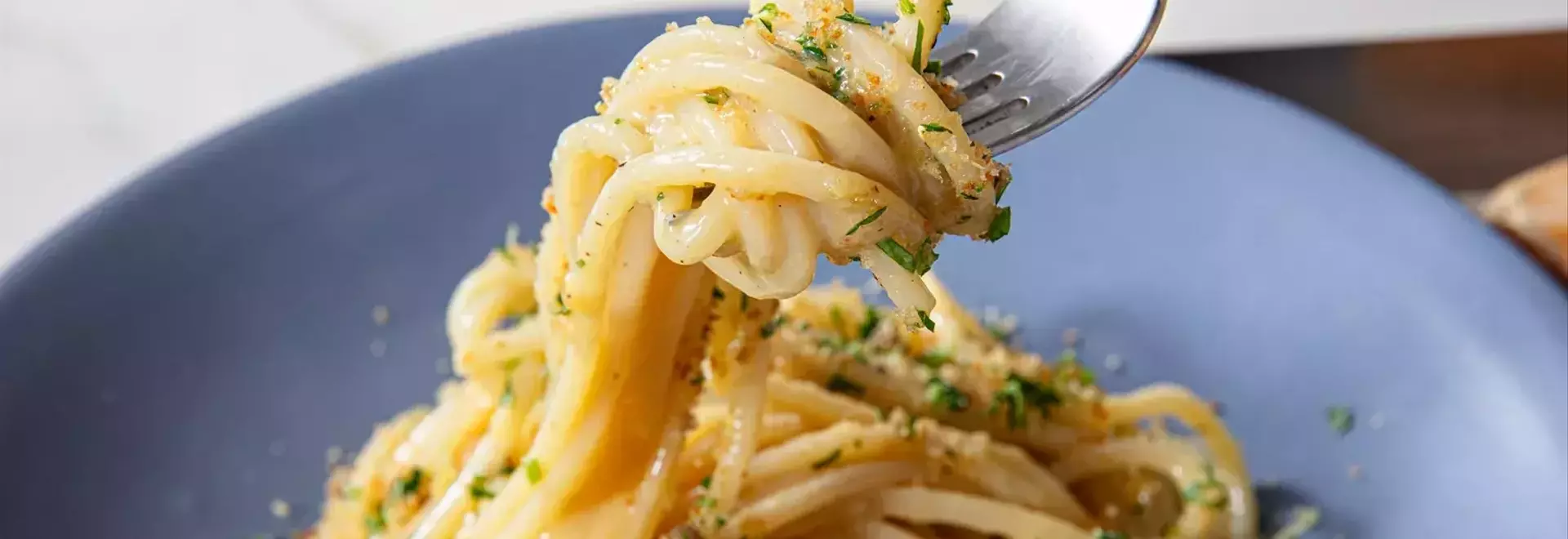
The Art of Seasoning: Mastering the "Taste Test" in Cooking
"Season to taste" is not merely a casual suggestion but a cornerstone of culinary expertise. This guide emphasizes that salt is a foundational ingredient, most effective when incorporated incrementally throughout the cooking process, not just at the end. When executed correctly, seasoning elevates the inherent deliciousness of food and harmonizes diverse flavors such as acidity, sweetness, and bitterness. For those inevitable moments of over-salting, practical tips are provided to salvage your dish.
The phrase "season to taste" frequently appears in recipes, often causing confusion for novice cooks. This instruction, while seemingly imprecise, encapsulates a crucial aspect of culinary intuition developed through experience. Professional chefs and recipe developers understand that this directive encourages cooks to actively engage with their food, adjusting flavors based on sensory feedback. Mastering this technique is pivotal for enhancing any dish, transforming it from merely edible to truly exceptional. Adopting smart seasoning habits can lead to consistently delicious results, reminiscent of restaurant-quality meals, without the stress of culinary mishaps.
Typically, when a recipe calls for "season to taste," it primarily refers to the addition of salt. While other seasonings like sugar, vinegar, or oil might be implied, clear instructions are usually provided in such cases. Salt is indispensable in cooking; its absence renders food bland, regardless of other ingredients. However, the objective isn't to make food overtly salty. Instead, salt acts as a flavor amplifier, intensifying the natural tastes of ingredients such as tomatoes, mushrooms, or meat. Properly applied, salt awakens and brightens flavors, serving as the first defense against dullness. Insufficient salt results in a flat taste, prompting the common culinary question, "What does this dish need?" The answer is almost always salt. Conversely, excessive salt can lead to a culinary crisis, requiring corrective measures.
The type of salt used significantly impacts the final taste profile. Different salts possess varying densities and sodium concentrations by volume. For instance, many professional kitchens favor Diamond Crystal kosher salt due to its light, flaky texture, which allows for precise seasoning. It dissolves quickly and contains less sodium per volume compared to other salts. If using alternative salts like Morton kosher salt, table salt, or sea salt, adjustments are necessary to achieve the desired salinity. A teaspoon of one salt might contain twice the sodium of another, highlighting the importance of consistency. It is advisable to select one type of salt and use it exclusively to develop an intuitive understanding of its properties, minimizing guesswork and preventing over-salting.
Determining when food is perfectly seasoned requires continuous tasting throughout the cooking process. Begin with a modest amount of salt, mix thoroughly, and then taste. Focus not just on saltiness but on the overall flavor experience. Assess if the dish tastes dull, if flavors are cohesive, or if any elements are missing. Observe if the flavor lingers or fades quickly. Based on this evaluation, add more salt incrementally, tasting after each addition. The goal is to achieve a balanced and complete flavor profile where all components are enhanced. This iterative process allows flavors to "lift and round out," indicating optimal seasoning. Professional chefs hone this skill over years, but home cooks can achieve similar results through intentional practice and attentive tasting. Recognizing and trusting one's palate is key to becoming a confident and decisive seasoner.
A common error among less experienced cooks is to delay all seasoning until the very end. Salt, however, functions as an integral part of the cooking process. Incorporating it in stages offers several advantages. Early application helps draw moisture from vegetables like onions and mushrooms, promoting even softening and browning, which enhances the Maillard reaction and deepens savory flavors. It also penetrates proteins as they cook, seasoning them internally and aiding moisture retention, especially crucial in dishes like soups, stews, and braises. Furthermore, salt dynamically balances flavors as ingredients combine, creating a cohesive blend of sweet, sour, bitter, and umami. Seasoning progressively also prevents the need for major corrections at the final stage, reducing the risk of an over-salted outcome.
Recipes often leave salting to the cook's discretion due to varying individual preferences for salinity, which typically fall within a 1-2% by weight range. This approach transfers the responsibility of achieving perfect seasoning from the recipe developer to the home cook. While this can lead to complaints if the result isn't satisfactory, it acknowledges the subjective nature of taste. Exceptions exist in recipes where tasting raw ingredients is impractical, such as meat mixtures for sausages or batters for baking. In these cases, precise salt measurements, often by weight and specific brand, are provided to ensure accuracy and allow for adjustments when different salt types are used.
Accidentally over-salting is a common occurrence, often resulting from enthusiastic additions or unexpected reductions. The key to prevention lies in developing disciplined habits. Always add salt gradually, in small increments, remembering that it's easier to add more than to remove it. Taste frequently after each adjustment, relying on your spoon rather than memory. Documenting salt additions is particularly helpful when developing or doubling recipes. Exercise extra caution during reduction processes, as water evaporation concentrates salt, potentially turning a perfectly seasoned dish into an over-salted one. Begin with less salt in such recipes and adjust after reduction.
When you find yourself with an over-salted dish, all is not lost. For liquid-based dishes like soups, stews, and sauces, dilute the mixture with unsalted stock, water, or a dairy product. Adding bulk with extra vegetables, noodles, rice, or beans can also absorb excess salt, though this may take time. Creamy additions such as heavy cream or coconut milk can temper harshness. For braises or casseroles, remove the salty liquid and replenish with low-sodium ingredients, or add starches like potatoes or breadcrumbs to soak up some of the salt. For dressings and dips, rebalance with more fat (olive oil, avocado) or acid (vinegar, lemon juice), or a touch of sweetness. For solid dishes like grains or vegetables, serve them alongside bland items like rice or bread, or prepare a second unsalted batch to mix in.
Beyond salt, other elements contribute to balanced seasoning. When instructed to "season to taste," consider adjusting for acidity, fat, sweetness, or bitterness if the dish lacks harmony. For instance, a splash of vinegar or lemon juice can brighten a dull tomato sauce, while wine or citrus can cut through the richness of a cream-based sauce. A touch of olive oil or butter can smooth out sharp flavors. The principle is to think in contrasts: acid balances richness, sweetness mellows bitterness or heat, bitterness adds complexity, and fat enhances flavor and texture. These are not rigid rules but intuitive guidelines to achieve a perfectly balanced dish.
\