Mastering Cast Iron Skillet Usage Through Proper Preheating
Unlocking the full potential of your cast iron skillet transcends mere maintenance rituals; it's about mastering the art of preheating. Despite countless discussions on seasoning methods, oils, and cleaning practices, the fundamental step of adequately warming your pan often remains overlooked. This crucial initial phase dictates the success of your culinary endeavors, preventing common issues like food sticking or uneven browning. By consistently applying proper preheating techniques, you transform a potentially frustrating cooking experience into one that yields perfectly seared meats, flawlessly fried eggs, and an overall superior outcome.
Cast iron's unique properties—its exceptional heat retention coupled with poor thermal conductivity—make thorough preheating indispensable. Unlike highly conductive materials that distribute heat rapidly, cast iron requires time for its dense structure to absorb and spread warmth evenly across its surface. This patient approach ensures uniform cooking, eliminating hot spots that can lead to inconsistent results. Moreover, a properly heated pan activates the non-stick qualities of its seasoning, creating a barrier that prevents food proteins from bonding with the metal. Adopting this foundational habit will elevate your cooking, ensuring every dish benefits from the inherent advantages of cast iron.
The Science of Cast Iron: Understanding Heat Dynamics
Cast iron cookware, revered for its robust heat retention, presents a unique challenge due to its inherent thermal characteristics. Its substantial mass and density allow it to maintain high temperatures remarkably well once heated, making it ideal for achieving deep, consistent sears and even baking. However, this same density contributes to its poor thermal conductivity. Unlike materials such as aluminum, which distribute heat quickly across their surface, cast iron is slow to transfer heat. This means that merely placing a cast iron skillet over a heat source for a short period will result in a central hot spot directly above the burner, while the outer edges remain significantly cooler.
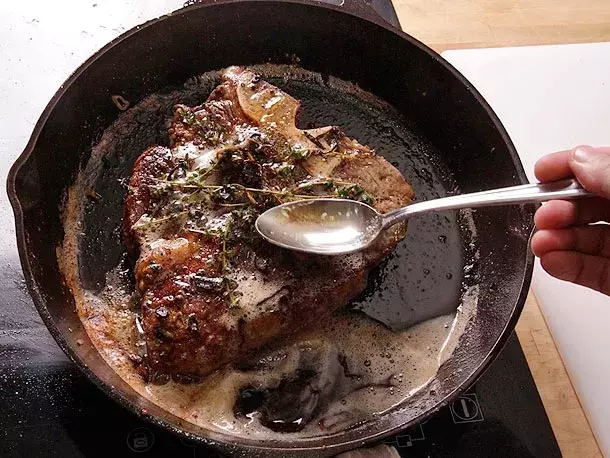
This uneven heat distribution is a primary culprit behind many common cooking frustrations, such as food sticking, pale browning, or inconsistent textures. For instance, searing a steak in an inadequately preheated cast iron pan will lead to a beautifully browned center but undercooked, steamed edges, as only a fraction of the pan's surface is hot enough to facilitate the Maillard reaction. To counteract this, a methodical preheating process is essential. By investing the necessary time, you allow the entire cooking surface to reach a uniform, optimal temperature, ensuring that every inch of the pan contributes effectively to the cooking process, yielding consistently excellent results.
Mastering the Preheat: Techniques and Avoiding Common Errors
Properly preheating your cast iron skillet is a straightforward process that demands patience and attention to detail, but it's a small investment that pays significant dividends in cooking quality. The fundamental principle is to heat the pan when it's empty, without any oil. Introducing oil too early can cause it to break down or even burn before the pan reaches its desired temperature, compromising both flavor and the pan's seasoning. Heating the pan dry ensures uniform warming across the entire surface, preparing it for optimal cooking performance and a clean, controlled sear.
When utilizing a stovetop burner, position your cast iron skillet over medium heat, ideally on a burner that matches or slightly exceeds the pan's base size. If your burner is smaller, periodically rotate the skillet to help distribute the heat more evenly. Allow 3 to 5 minutes for the pan to reach temperature before adding oil. The oil should shimmer or just begin to smoke, indicating readiness. For gentler cooking tasks like sautéing onions or frying eggs, a surface temperature of approximately 400°F is generally sufficient. For high-heat searing of steaks or chops, aim for closer to 500°F, using an infrared thermometer for precision. For exceptionally high heat, preheating in the oven is highly recommended. Place the empty skillet in a cold oven, then set the temperature to 500°F. Once the oven reaches temperature, carefully transfer the blazing hot skillet to the stovetop, add oil, and proceed with cooking. This method ensures unparalleled heat uniformity, making your cast iron a truly non-stick powerhouse. Avoid common mistakes such as rushing the preheating process, using a burner too small for the pan, or adding oil prematurely, as these can lead to uneven cooking, scorching, and food adhesion, undermining the benefits of this versatile cookware.