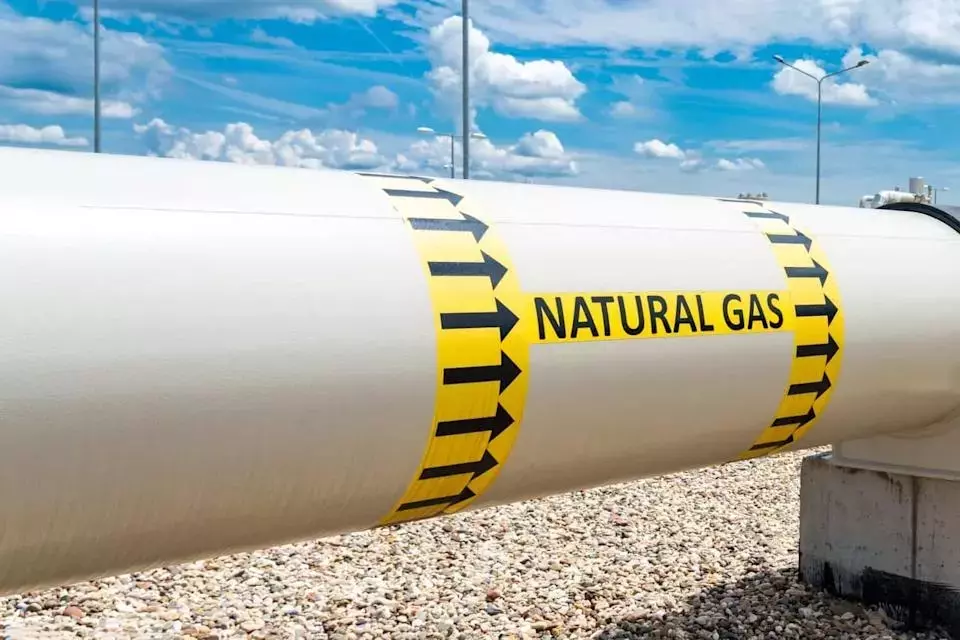
Viper Energy's Natural Gas Bet to Fuel Income Growth Amid Soaring LNG Demand
Viper Energy (NASDAQ: VNOM), a mineral royalty company, is strategically poised to benefit from the escalating global demand for liquefied natural gas (LNG) and the robust production growth within the Permian Basin. Operating on a distinctive royalty model, Viper collects a percentage of revenue from oil and natural gas extracted on its land by other companies, including industry giants like ExxonMobil, without incurring the associated drilling or capital expenditures. This advantageous position allows for a high free cash flow margin and a resilient dividend structure, comprising a stable base dividend and a variable component tied to commodity prices. With a recent 15% increase in its annualized base dividend and significant production growth following its acquisition of Sitio, Viper Energy presents a compelling opportunity for investors seeking exposure to the dynamic energy market.
Viper Energy's Strategic Advantage in the Evolving Energy Landscape
On Monday, April 20, 2026, Viper Energy, a prominent mineral royalty company, solidified its position as a key player in the energy sector, leveraging its natural gas assets amidst burgeoning LNG export demand and sustained high oil prices in the Permian Basin. This strategic alignment has allowed the company to significantly enhance its income distribution to shareholders. The firm's shares have demonstrated an impressive performance, climbing approximately 22% year-to-date, reflecting investor confidence in its operational model and future prospects.
Viper's core business revolves around owning mineral and royalty interests, predominantly located in the prolific Permian Basin. This unique structure allows Viper to receive a share of production revenue from oil, natural gas, and natural gas liquids without bearing the substantial costs associated with drilling and exploration. Major operators, such as Diamondback Energy (NASDAQ: FANG) and ExxonMobil (NYSE: XOM), conduct drilling activities on Viper's acreage, ensuring a consistent royalty stream for Viper, irrespective of who funds the extraction process.
The company's dividend policy features a dual approach: a fixed base dividend designed for durability across various commodity price cycles, and a variable dividend that adjusts with market fluctuations and free cash flow. The board recently approved a 15% increase in the base dividend, raising it to an annualized $1.52 per share. Management confidently asserted that this base dividend remains fully covered even if West Texas Intermediate (WTI) crude oil prices drop below $30, providing a substantial safety margin given current WTI prices hovering near $100 per barrel. This financial resilience underscores the strength of Viper's royalty model.
While oil historically has been the primary revenue driver, natural gas is rapidly gaining prominence. In the second quarter of 2025, oil contributed $241 million, natural gas liquids added $36 million, and natural gas accounted for $10 million in income. The expansion of LNG export infrastructure and the recovery of Henry Hub natural gas prices from their 2024 lows are significant tailwinds. The volatility in natural gas prices was highlighted by a sharp increase from approximately $1.20 per MMBtu in November 2024 to nearly $31 per MMBtu during a January 2026 cold snap, before stabilizing in the $2.64 to $3.04 range by April. Such price surges directly translate into higher royalty revenues for Viper, boosting its bottom line without additional operational costs.
Following the acquisition of Sitio in August 2025, Viper's pro forma net debt stands at about $1.6 billion, representing just over one turn of leverage. The company's long-term target for net debt is $1.5 billion, equivalent to approximately 1.0x leverage at $50 WTI, indicating a conservative financial strategy for a royalty-based business with minimal capital expenditure obligations. This strong financial health supports a projected mid-single-digit percentage production growth in 2026 from pro forma 2025 levels, ensuring a natural dividend growth engine independent of commodity price cycles.
Kaes Van't Hof, Viper's CEO, emphasized the symbiotic relationship with operators like Diamondback, stating that Diamondback's focus on drilling wells where Viper holds high royalty interests enhances consolidated capital efficiency for both entities. This collaborative approach further solidifies Viper's strategic advantage.
Over the past year, Viper shares have appreciated by approximately 29%, and a remarkable 284% over five years. Wall Street analysts maintain a predominantly positive outlook, with 13 buy ratings and 5 strong buys against a single hold rating, underscoring widespread confidence in the company's future performance.
Viper Energy's investment proposition lies in its robust, well-covered base dividend designed to withstand commodity market downturns, complemented by a variable dividend that offers upside potential during periods of strong commodity prices. This structure appeals to investors who understand and are comfortable with commodity-linked variability, providing a durable income stream with substantial growth potential fueled by the expanding natural gas market and the consistent productivity of the Permian Basin.
Viper Energy's distinctive business model offers a compelling opportunity for investors seeking exposure to the energy sector without the direct operational risks. The company's stable base dividend, coupled with the potential for increased variable payouts driven by rising natural gas demand and strong oil prices, creates a unique blend of stability and growth. The strategic partnerships with major operators and a conservative financial leverage further enhance its attractiveness. For those comfortable with the inherent variability of commodity markets, Viper Energy represents a shrewd investment for long-term income generation and capital appreciation in the evolving energy landscape.