The Ultimate Guide to Safely and Effectively Thawing Chicken
Ensuring chicken is properly thawed is paramount for both preventing foodborne illnesses and maintaining the quality of your meal. This in-depth analysis, drawing from extensive testing, provides a definitive guide to the most effective and safest techniques for defrosting various chicken cuts. It delves into the critical importance of avoiding the 'danger zone' where harmful bacteria proliferate, offering practical, USDA-backed advice. From the slow and steady approach of refrigeration to quicker, more hands-on methods, this guide equips home cooks with the knowledge to make informed decisions, guaranteeing delicious and safe chicken every time they cook.
Optimal Thawing Practices for Chicken Safety and Quality
Properly defrosting chicken is not just about convenience; it's a critical step in food preparation that directly impacts safety and taste. The U.S. Department of Agriculture (USDA) emphasizes strict guidelines to mitigate the risk of foodborne illnesses, primarily by avoiding the "danger zone" for bacterial growth, which spans 40 to 140 degrees Fahrenheit (4.5 to 60 degrees Celsius). Allowing chicken to linger in this temperature range, even briefly, can lead to the rapid multiplication of harmful bacteria like Salmonella, E. coli, or Campylobacter, some of which can produce heat-resistant toxins. Therefore, understanding and implementing USDA-approved thawing methods—refrigeration, microwave, or cold water immersion—is essential. These methods are designed to either keep the chicken outside the danger zone or minimize the time it spends within it, ensuring the poultry remains safe for consumption without compromising its texture or flavor during the subsequent cooking process.
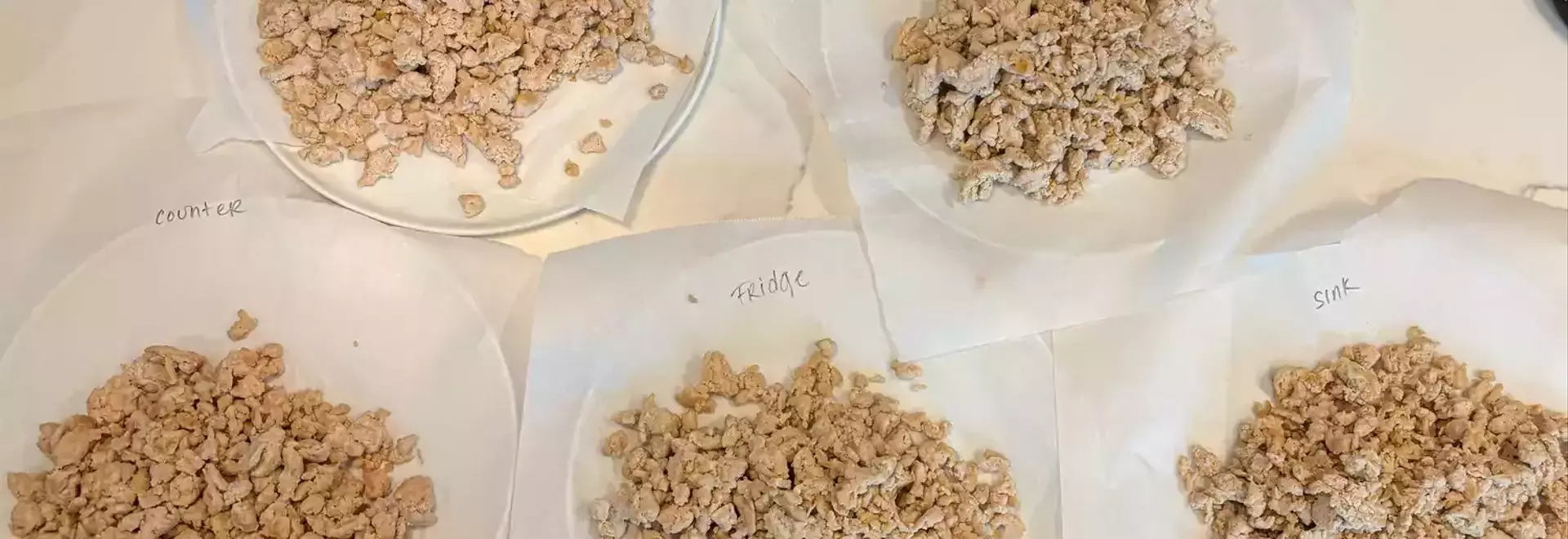
Extensive testing involving various chicken cuts, including breasts, thighs, drumsticks, wings, and ground chicken, revealed significant differences in efficiency and outcome across thawing methods. The refrigerator method, while the slowest (often requiring 19 to 30 hours), consistently produced the best quality meat, as it keeps the chicken at a consistently safe, cold temperature, preventing bacterial proliferation. The cold water immersion method offered a commendable balance between speed and quality, fully defrosting most cuts within 45 minutes to two hours, provided the water was regularly changed to maintain optimal temperature. Conversely, the microwave method was the fastest, defrosting small cuts in as little as five minutes, but often resulted in uneven thawing and dried-out meat due to partial cooking. Other methods, such as thawing under running water or at room temperature, were deemed less favorable due to excessive water waste, inconsistent results, or heightened food safety risks. These findings underscore the importance of selecting a thawing strategy that aligns with both time constraints and food safety priorities, ultimately enhancing the overall culinary experience.
Comparing Thawing Methods: Speed, Safety, and Culinary Impact
When it comes to defrosting chicken, various methods offer different trade-offs between speed, safety, and the final quality of the meat. The refrigeration method stands out as the safest and yields the best culinary results, though it demands considerable foresight, often requiring 24 hours or more for complete thawing, depending on the cut's size. This slow, controlled thawing prevents the chicken from entering the bacterial danger zone, ensuring a tender and juicy product once cooked. While this method is largely hands-off, the extended duration means it's not suitable for impromptu meals. In contrast, the microwave offers unparalleled speed, defrosting chicken in minutes, but this rapidity comes at a cost: uneven thawing and a tendency to partially cook the edges, leading to drier, tougher meat. For those needing a quicker solution without severely compromising quality, the cold water immersion method provides a viable middle ground, effectively thawing chicken in under two hours while maintaining reasonable meat integrity, provided the water is refreshed regularly to stay within safe temperature limits.
Further investigation into the practical application of each method highlights their specific considerations. The cold water method, while faster than refrigeration, still requires careful monitoring to ensure the water temperature remains below the danger zone and that the chicken is cooked immediately after thawing. This approach effectively balances speed with safety without relying on continuous water flow, which would be wasteful. However, leaving chicken at room temperature, though seemingly convenient for quick thawing, is strongly advised against by food safety experts. This method significantly increases the risk of bacterial growth, particularly if the chicken is left unattended for extended periods, making it hazardous. The uneven heating inherent in microwave defrosting also means that while speedy, it often necessitates immediate cooking to prevent bacterial growth on already warmed portions. Ultimately, the choice of thawing method should be dictated by the available time, the desired quality of the cooked chicken, and an unwavering commitment to food safety protocols, with refrigeration being the gold standard for optimal results and cold water immersion as a reliable faster alternative.