Pragmata: A Masterclass in Player-Driven Exploration and Combat
Pragmata stands out in the gaming landscape by prioritizing player autonomy, offering an experience that actively encourages exploration and independent decision-making rather than spoon-feeding instructions. This design philosophy translates into a deeply satisfying journey where players discover the world at their own pace, making mistakes and learning from them, ultimately fostering a richer sense of accomplishment. Unlike many contemporary titles that guide players rigorously, Pragmata's hands-off approach empowers individuals to carve their own paths through its meticulously crafted environments, from navigating intricate urban centers to engaging in diverse combat scenarios.
The game's unique scanner tool exemplifies this philosophy. While it can pinpoint crucial objects and collectibles, its use is entirely optional. This choice allows players to decide whether to embrace the challenge of organic discovery or seek assistance when truly stuck. The author recounts getting disoriented in a shopping center within Pragmata's New York, a seemingly minor mishap that paradoxically became a highlight due to the freedom to get lost and find their way back. This contrasts sharply with games that relentlessly push players along a predetermined route, stripping away the joy of unexpected encounters and personal breakthroughs.
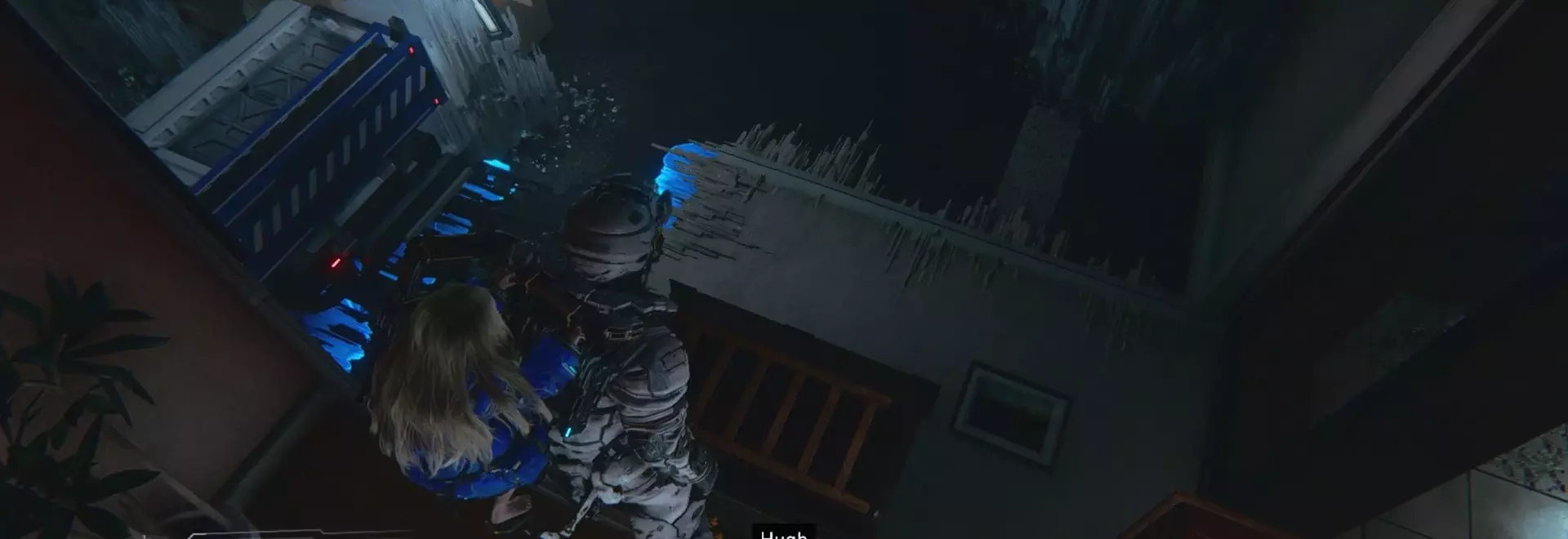
Pragmata's map design further reinforces this commitment to exploration. The deliberate vagueness of its layout means that branching paths and hidden areas aren't explicitly signposted. Instead, players are prompted to investigate for themselves, transforming what might otherwise be a mundane checklist item into an exciting mini-event. For instance, discovering a bridge made of windows or useful upgrades becomes a meaningful experience precisely because it wasn't handed to the player on a silver platter. This encourages a persistent curiosity, where every corner turned holds the potential for a new secret or a rewarding challenge.
Even in the game's initial stages, Pragmata provides a surprising degree of freedom. The author describes intentionally deviating from the expected path during an early objective, leading to an unplanned combat encounter, the acquisition of a new weapon, and a sense of "sequence breaking" that fueled further exploration. This organic discovery process, where unintended actions yield unexpected rewards, is a core tenet of Pragmata's appeal, encouraging players to experiment and push the boundaries of the game world.
The open-ended design extends seamlessly into combat. Unlike games that dictate specific weapon usage for certain scenarios, Pragmata allows players to approach battles with an impressive array of tools and strategies. Whether choosing a preferred shotgun over a recommended piercer gun, or devising creative tactics to overcome challenges, players retain full control. This freedom, even if it leads to occasional defeats, amplifies the satisfaction of victory and reinforces the idea that each encounter is a personal challenge to be tackled as one sees fit. The game doesn't force a particular playstyle, but rather provides the tools and trusts the player to use them creatively.
Ultimately, Pragmata's relatively compact map sizes facilitate this hands-off approach. Players are less likely to become hopelessly lost, ensuring that the freedom to explore doesn't devolve into frustration. The core lesson here for other developers is the profound value of restraint: by stepping back and allowing players to make their own discoveries, experience failures, and learn independently, games can foster a much deeper sense of engagement and personal connection, turning every moment into a genuine adventure.