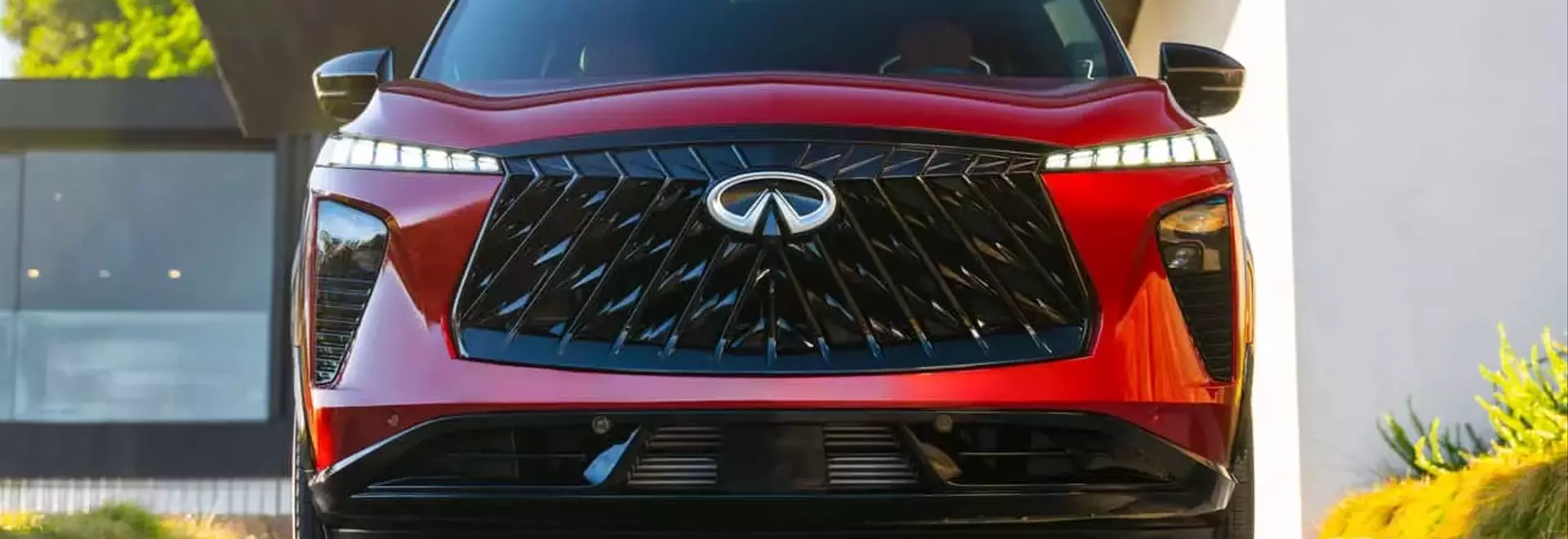
Nissan CEO Explains What Went Wrong With Infiniti
Nissan's luxury division, Infiniti, is undergoing a significant revitalization effort, following a period of declining sales and a streamlined product lineup. Nissan CEO Ivan Espinosa recently provided an candid assessment of the factors contributing to Infiniti's challenges, outlining past errors and detailing the brand's strategic path forward.
Infiniti's future growth hinges on a refreshed product portfolio and a refined brand identity. The brand will expand its offerings, incorporating new SUV models and a performance sedan, all while leveraging Nissan's established platforms for efficiency. This strategic shift aims to create distinct luxury vehicles through intelligent differentiation and advanced technology, moving away from past misjudgments in dedicated platform development and overly ambitious sales projections.
Infiniti's Past Missteps and Future Strategy
Nissan's chief executive, Ivan Espinosa, recently shed light on the challenges faced by Infiniti, candidly admitting that "many mistakes" contributed to the luxury brand's struggles. A key error identified was the decision to develop a unique vehicle architecture specifically for Infiniti, a strategy that proved unsustainable given the company's ambitious, but ultimately unmet, sales target of eight million units annually. This overreach meant that necessary investments in the Infiniti brand could not be sustained, further exacerbating its difficulties. The brand's current reduced portfolio of just two models underscores the severity of these past miscalculations.
Moving forward, Infiniti's strategy will shift significantly. Espinosa emphasized that the brand does not require a bespoke platform to achieve success. Instead, the focus will be on "differentiating cars smartly" by integrating advanced technology, creating unique visual identities, and enhancing the overall in-car experience. This approach acknowledges the need for distinctiveness within the luxury segment while leveraging shared platforms to optimize resources and ensure financial viability. The goal is to carve out a unique space for Infiniti without the prohibitive costs associated with entirely independent development.
Expanding the Product Lineup for Renewed Growth
To reignite growth, Infiniti plans to substantially expand its model range, aiming for a minimum of five distinct models to begin a sustainable upward trajectory. Nissan's recently announced roadmap confirms this ambition, detailing the addition of four new models to Infiniti's lineup, which will bring the total to seven. This expansion is critical for rebuilding the brand's market presence and appealing to a broader luxury customer base. The new additions are strategically designed to bolster key segments and introduce innovative offerings.
The upcoming models include three new SUVs, specifically a mid-size SUV and two robust ladder-frame SUVs, all of which will feature hybrid powertrains. This focus on SUVs reflects current market demands and the growing popularity of electrified vehicles. Additionally, Infiniti will introduce a performance sedan, which is set to be based on the iconic Nissan Skyline. This exciting new sedan will be powered by a twin-turbocharged V6 engine, paired with a manual transmission driving the rear wheels, promising an engaging driving experience that harks back to performance-oriented roots. These new models will heavily integrate with Nissan's existing lineup, likely sharing core platforms and components, a strategic move that aligns with Nissan's broader plan to reduce its total number of platforms by nearly half by 2035, as outlined in its Re:Nissan initiative.