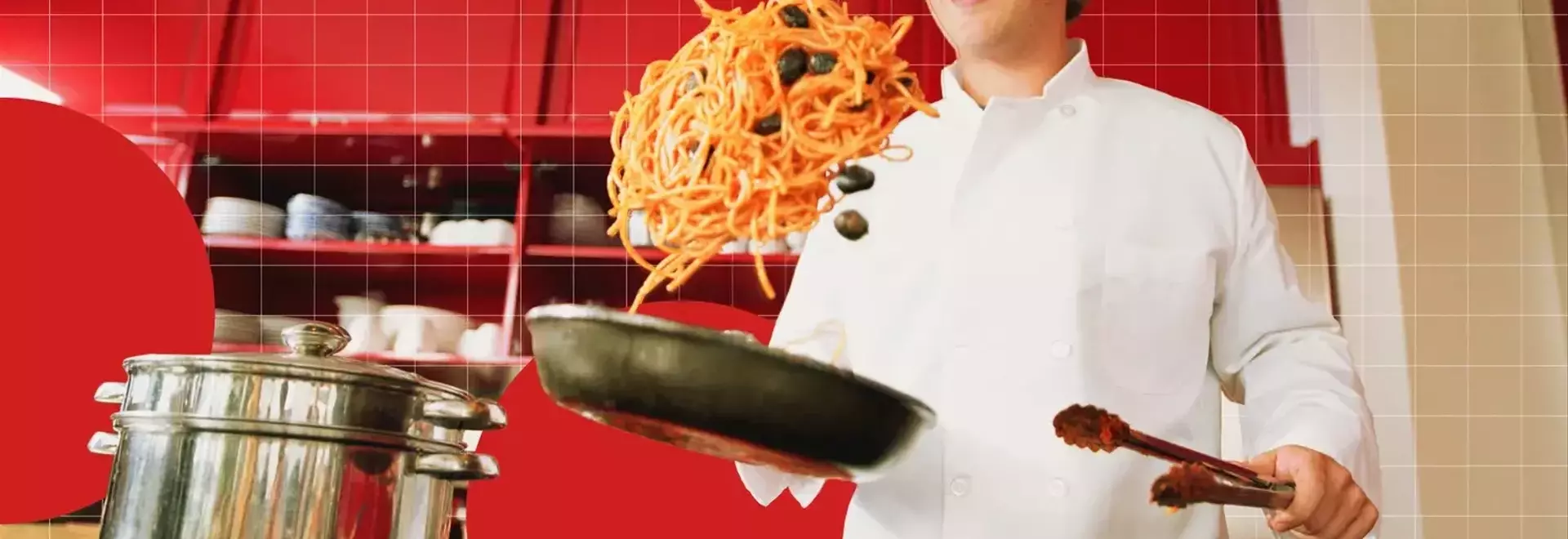
Mastering Your Cookware: A Comprehensive Guide to Pots and Pans
Understanding the proper function of each pot and pan in your kitchen arsenal can significantly enhance your culinary skills. While a complete cookware collection provides essential tools, many home cooks are unaware of the specific design benefits each piece offers. This guide delves into the characteristics and optimal uses of common cookware items, offering expert advice to help you achieve perfect results and avoid typical mistakes.
Shawn Matijevich, a leading chef-instructor at the Institute of Culinary Education, emphasizes that each type of cookware is engineered for particular cooking tasks. Mastering these distinctions can transform your cooking experience, making meal preparation more efficient and enjoyable. The primary categories of pots and pans typically found in a standard set include frying pans, saucepans, sauté pans, and stockpots, each with unique attributes tailored to specific cooking methods.
Frying pans, also known as skillets, are distinguished by their low, curved sides. This design promotes direct heat application and rapid moisture evaporation, making them ideal for quick-cooking foods that benefit from browning. Chef Matijevich notes that their sloped edges facilitate easy flipping, tossing, and sliding of food. Smaller frying pans, typically around 8 inches, are excellent for single servings like eggs or pancakes, while larger ones (10 to 12 inches) prevent overcrowding, which is crucial for achieving a good sear on meats and vegetables without steaming them.
Saucepans, with their tall, straight sides and flat bottoms, are designed for tasks requiring gentle, consistent heat and moisture retention. They are perfect for preparing sauces, grains, rice, and soups. The included lids are vital for trapping moisture and accelerating boiling, but can be removed to allow for reduction when thickening sauces. Matijevich suggests using 1- to 2-quart saucepans for reheating or small batches, and 3- to 4-quart versions for larger quantities of grains or pasta.
Sauté pans combine features of both frying pans and saucepans, characterized by a wide, flat bottom and vertical sides. This hybrid design allows for efficient browning while accommodating more volume than a frying pan. They excel in preparing pan sauces, braises, and dishes that begin with searing and conclude with simmering in liquid, such as chicken thighs or vegetable ragouts. Larger sauté pans ensure better heat distribution, and their straight sides facilitate efficient simmering and minimize splashing, especially when a lid is used for gentle braising.
Stockpots are the largest pieces of cookware, featuring a deep, cylindrical shape and two handles for easy lifting of heavy contents. Their primary use is for cooking large volumes of liquid, such as stocks, broths, soups, or boiling pasta. The tall sides are crucial for minimizing evaporation and maintaining a steady simmer over extended periods. Matijevich recommends 6- to 8-quart stockpots for everyday use, and 10-quart sizes for larger gatherings or extensive stock preparation, noting that leaving the lid slightly ajar can help concentrate flavors through controlled evaporation.
While nearly any vessel can be used for cooking, selecting the correct pot or pan can simplify the process and improve outcomes. Matijevich highlights that using the “wrong” pan often means making the cooking task unnecessarily difficult. For instance, attempting to fry an egg in a sauté pan can hinder flipping and trap moisture, leading to a less desirable texture. Similarly, making a sauce in a frying pan can lead to rapid reduction and potential scorching due to the large surface area.
To achieve crispy-edged fried eggs, a frying pan with its curved sides is essential for easy flipping and moisture release. For sauces, a saucepan is superior, as its tall sides retain heat and prevent excessive splashing, allowing for controlled reduction. When preparing brothy soups, a stockpot is the preferred choice, as its depth and design facilitate longer simmering times and a gradual development of flavor, unlike a sauté pan which promotes faster liquid reduction.
From the versatile frying pan to the capacious stockpot, each piece of cookware is meticulously designed to influence factors like evaporation, browning, and moisture control. Recognizing the specific role of each item in your kitchen set is key to unlocking its full potential and consistently delivering superior culinary results. By understanding these fundamental differences, home cooks can make informed decisions, transforming their everyday cooking into a more refined and successful endeavor.