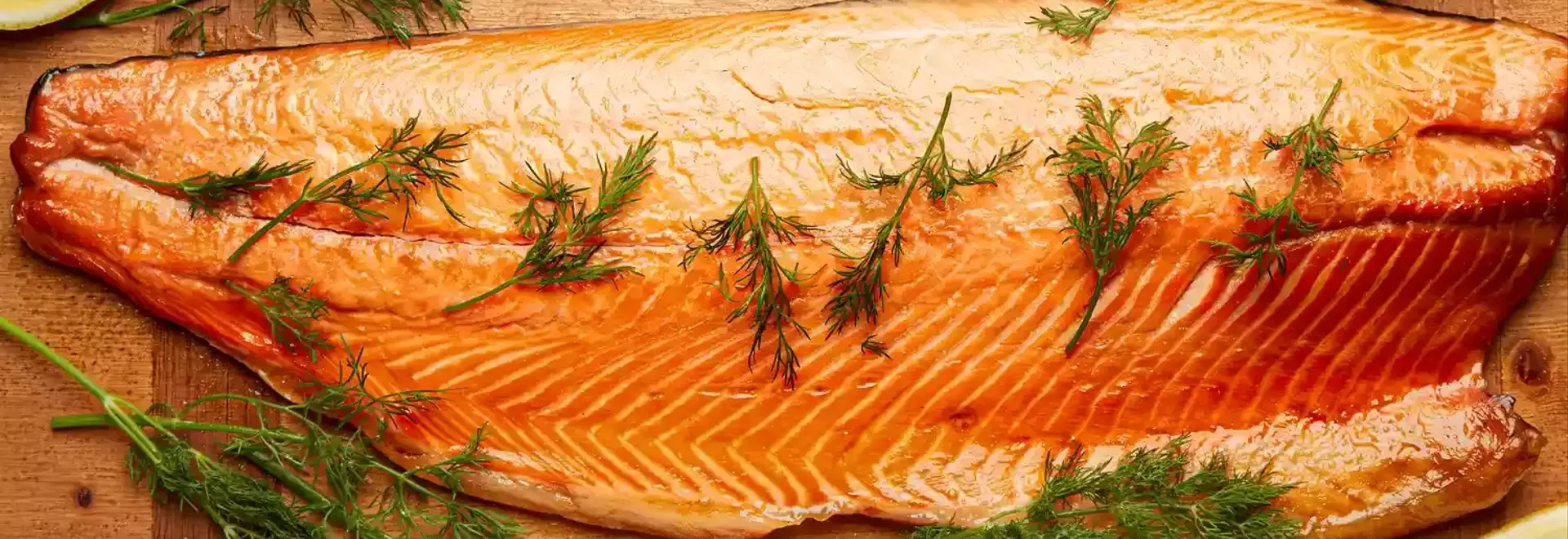
Mastering Salmon: A Culinary Guide to Wild vs. Farmed Varieties
Salmon, a staple in many kitchens, demands varied cooking approaches depending on whether it's wild-caught or farm-raised. Their distinct fat content, texture, and flavor profiles necessitate tailored culinary techniques to avoid common pitfalls like dryness or greasiness. This comprehensive guide explores these differences in depth, offering insights into how to best prepare each type of salmon for an optimal dining experience. From understanding their natural diets to choosing the right heat application, mastering these nuances will transform your salmon dishes.
The journey from ocean to plate for wild and farmed salmon creates significant distinctions in their composition. Farmed salmon, raised in controlled environments with calorie-rich diets, develops a higher fat content and softer texture, making it remarkably forgiving under high heat. In contrast, wild salmon, with its active lifestyle and diverse natural diet, boasts a leaner, firmer flesh and a more intricate flavor. Recognizing these inherent qualities is key to unlocking the full potential of each fillet, ensuring that whether you're poaching a delicate sockeye or grilling a robust farmed Atlantic, the result is consistently delicious.
The Intrinsic Differences: Fat Content and Lifestyle
The primary distinction between wild and farmed salmon lies in their fat content, a direct result of their varied diets and living conditions. Farmed salmon, typically raised in marine pens and fed a high-calorie, formulated diet, accumulate more fat, leading to a softer texture and a more lenient cooking experience. This makes them less prone to drying out and ideal for cooking methods that involve higher temperatures. Celebrity chefs often gravitate towards these fattier cuts for applications requiring rich moisture and flavor retention.
Wild salmon, on the other hand, leads a more strenuous life, migrating vast distances and consuming a natural diet of smaller marine life. This active lifestyle and diverse diet result in leaner, firmer flesh and a deeper, more complex flavor profile, often accompanied by a vibrant reddish-pink hue due to astaxanthin in their prey. This lean characteristic means wild salmon cooks much faster and requires more delicate handling to prevent it from becoming dry or tough. The choice between wild and farmed varieties profoundly impacts the appropriate cooking technique.
Optimal Cooking Methods for Each Salmon Variety
Choosing the correct cooking method for salmon is paramount to highlighting its unique characteristics. For farmed salmon, its high fat content makes it exceptionally versatile for aggressive cooking techniques. Pan-searing is an excellent choice, as the fat renders beautifully, creating a crispy skin while keeping the interior moist and flavorful. Grilling also suits farmed salmon well; the robust heat enhances its richness and imparts a smoky flavor without drying out the fillet. Roasting at higher temperatures, such as 450°F, or broiling, also works effectively, yielding a juicy interior with a perfectly crisped exterior.
Wild salmon, with its leaner profile, thrives under gentler cooking methods. Poaching is particularly suited for wild salmon, as the low, moist heat preserves its delicate texture and clean, briny flavor. Slow-roasting at temperatures around 275-300°F also ensures a tender, flaky result without overcooking. While pan-searing and grilling can be attempted with wild salmon, they require careful monitoring and lower heat to prevent dryness. Brining or marinating can add a protective layer of moisture, but ultimately, techniques that prioritize gentle heat are best for this lean, flavorful fish. King salmon, a wild exception, shares the fat content of farmed varieties, allowing it to excel across most cooking methods, including raw preparations.