Fuel Prices Set to Rise as Oil Surges Amidst Geopolitical Tensions
Money

Fuel Prices Set to Rise as Oil Surges Amidst Geopolitical Tensions

authorBy Vicki Robin
DateApr 13, 2026
Read Time2 min

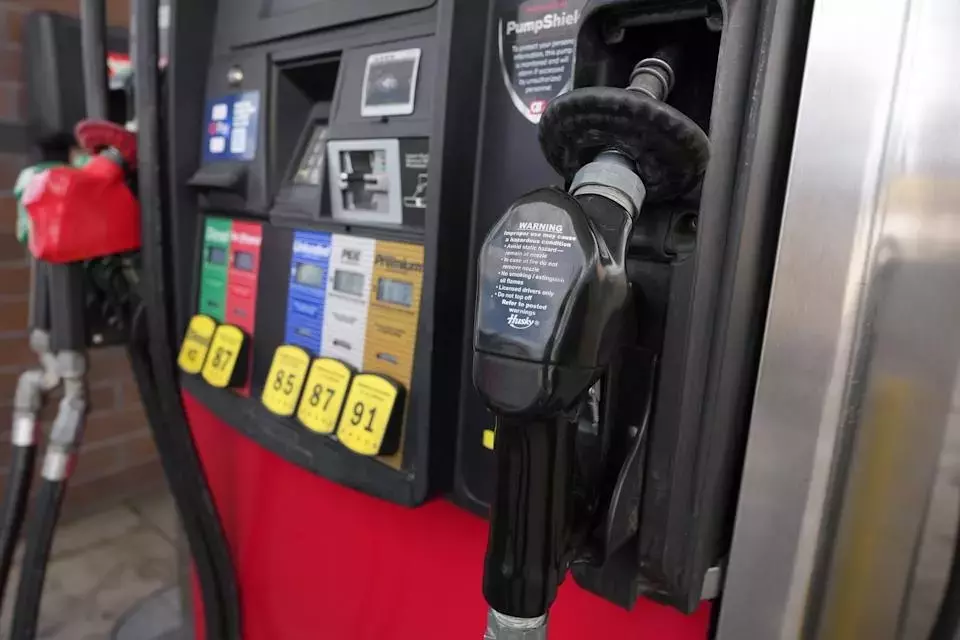
Following a period of relative calm, the cost of gasoline is once again on the rise, primarily driven by a sharp increase in global crude oil prices, which have now climbed above the $100 mark. This renewed upward trajectory in fuel costs directly impacts consumers, with the national average price of gasoline already reflecting a substantial month-over-month increase. The recent escalation in oil prices is closely linked to international political developments, particularly a blockade imposed on a critical maritime route. This move has injected significant uncertainty into the global energy market, suggesting that earlier dips in prices were merely temporary.

The current volatility in energy markets is a direct consequence of escalating geopolitical tensions. The decision to enforce a blockade on maritime traffic through a vital strait has sent shockwaves through the oil industry, leading to immediate and significant price hikes for both West Texas Intermediate and Brent crude. Industry experts and analysts are closely monitoring the situation, with some forecasting that gasoline prices could reach unprecedented levels across the nation if the current disruptions persist. Such an outcome would inevitably lead to increased inflationary pressures and could severely impede global economic recovery efforts.

The impact of these rising oil prices extends beyond the pump, signaling potential strain on the broader economic system. With European and Asian refineries aggressively competing for oil supplies, the physical market is witnessing record high spot prices. This widening disparity between current physical market prices and future contracts indicates a significant struggle to secure immediate oil deliveries, even as long-term forecasts anticipate a normalization of supply. This scenario underscores the fragility of global supply chains and the profound influence of geopolitical events on everyday consumer costs and economic stability.

In times of global uncertainty and economic pressure, individuals and nations alike must seek pathways to resilience and stability. Embracing innovation in renewable energy sources, fostering international cooperation to de-escalate tensions, and implementing prudent economic policies can collectively contribute to a more secure and prosperous future. The current challenges serve as a stark reminder of our interconnectedness and the importance of collaborative solutions to navigate the complexities of the modern world.

More Articles
Money
Quarterly Earnings Season Kicks Off Amidst Market Uncertainty: Goldman Sachs Reports
The first-quarter earnings season is now underway, characterized by a challenging market environment. Goldman Sachs leads a series of major bank and asset manager earnings reports this week, joined by other significant companies like Netflix, Johnson & Johnson, ASML Holdings, and PepsiCo. Despite geopolitical risks and evolving economic conditions, analysts maintain a positive outlook on long-term earnings growth, with the S&P 500 projected to achieve its sixth consecutive quarter of double-digit earnings expansion.
By Natalie PaceApr 13, 2026
Money
IDEAYA's Eye Cancer Therapy Outperforms Standard Treatment, Boosting Stock
IDEAYA Biosciences Inc. reported encouraging Phase 2/3 trial results for darovasertib combined with crizotinib, significantly improving progression-free survival in metastatic uveal melanoma patients. This breakthrough propelled IDEAYA's stock upwards, signaling a promising new treatment for this rare eye cancer. The company plans to file a New Drug Application with the FDA by late 2026.
By Chika UwazieApr 13, 2026
Money
Strategic Diversification: International ETFs Amidst US Market Volatility
As US stocks face downward pressure, investors are exploring international diversification as a hedge. This analysis highlights two Vanguard ETFs, VGK and VXUS, which offer exposure to European and global ex-US markets, respectively. Both have shown strong performance, mitigating risks associated with US market fluctuations and geopolitical uncertainties like potential NATO instability and European immigration policy shifts. The article suggests a rebalancing strategy, allocating 10-20% of portfolios to international equities.
By Vicki RobinApr 13, 2026
Money
Baker Hughes Divests Non-Core Unit in $1.45 Billion Deal
Baker Hughes announced the sale of its Waygate Technologies business to Hexagon for approximately $1.45 billion in cash. This strategic move aims to streamline Baker Hughes' portfolio, strengthen its financial position, and enhance earnings and cash flow stability. The transaction, which includes Waygate's non-destructive testing solutions and related assets, is expected to close in the latter half of 2026, pending regulatory approvals. This divestiture aligns with the company's focus on its core oilfield services and industrial and energy technology segments.
By Scott PapeApr 13, 2026
Money
Coinbase Pioneering Onchain Innovation to Revolutionize Global Markets
John D'Agostino, leading institutional efforts at Coinbase, envisions a transformative shift in global markets through onchain innovation. Drawing parallels to the digitization of trading floors, he asserts that tokenization will enhance security and efficiency, making markets faster and cheaper. Even skeptics like JPMorgan CEO Jamie Dimon acknowledge the rapid advancements in blockchain technology, hinting at a new era of tokenized assets beyond traditional crypto.
By Bola SokunbiApr 13, 2026