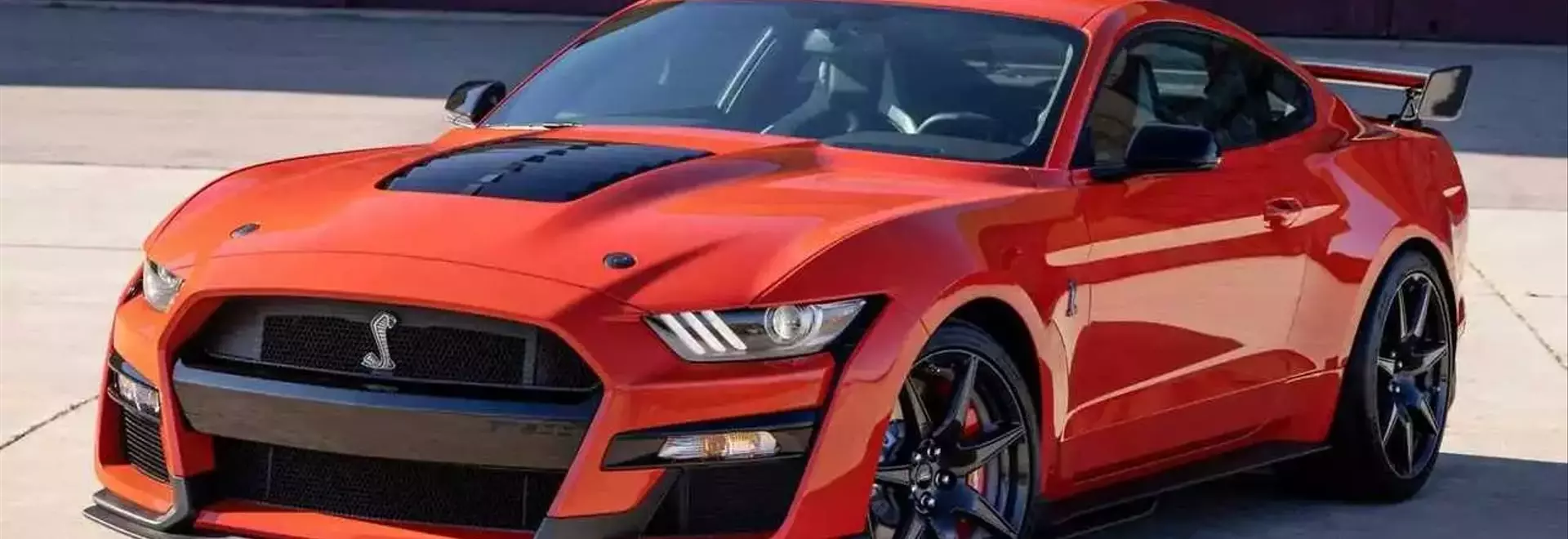
Ford's Strategic Shift: Why the Shelby Name Disappeared from Mustang Lineup
Ford's Mustang lineup no longer features the renowned Shelby designation, a change that has sparked considerable discussion among automotive enthusiasts. The last Mustang model to bear the Shelby name, the GT500, concluded its production cycle just before the introduction of the seventh-generation Mustang. This strategic pivot sees Ford promoting its new high-performance variant, the Mustang Dark Horse, and its more potent iteration, the Dark Horse SC, which effectively assumes the role previously held by the GT500. The underlying reason for this shift, as recent reports indicate, is primarily financial.
The Business Behind the Branding: Ford's Decision to Retire the Shelby Name
For years, the Shelby name has been synonymous with high-performance Ford Mustangs, embodying a legacy of power and speed. However, this iconic branding came at a significant cost for Ford. Unlike a fully owned subsidiary, Shelby American operates as an independent entity based in Nevada, holding the exclusive rights to the Shelby name. Consequently, Ford was obliged to pay substantial licensing fees for each Shelby-branded vehicle sold. According to a detailed report from Ford Authority, the company incurred an estimated royalty payment of $800 for every Shelby Mustang that left the dealership. While this figure might seem modest on an individual basis, the cumulative impact was considerable. With sales figures reaching 24,211 units for the Shelby GT350 and GT350R, and an additional 14,130 units for the GT500 between 2020 and 2022, Ford's total licensing expenditures surpassed an astounding $30 million. This significant financial outlay for a brand badge ultimately prompted Ford to reevaluate its strategy.
Moving forward, Ford has chosen to champion the Dark Horse branding, aligning it with a broader commitment to motorsports. The introduction of the latest Mustang generation coincided with the launch of six distinct race variants, ranging from the performance-focused Dark Horse S to a full-fledged GT3 racer. Furthermore, there are ambitious plans to integrate the Dark Horse SC into NASCAR competitions by 2027. This shift underscores Ford's intention to consolidate its high-performance models under a unified, internally controlled brand, thereby avoiding future licensing fees. While the allure of past Shelby models remains strong, the current trajectory indicates a clear strategic direction for Ford's performance division.
The decision by Ford to discontinue the Shelby branding on its Mustang models signifies a pivotal moment in the automotive landscape. While the financial motivations are clear, this move also highlights the evolving strategies of major manufacturers. It raises questions about the future of brand partnerships and the delicate balance between heritage and commercial viability. For enthusiasts, it marks the end of an era, but also the dawn of a new chapter for the Mustang, with the Dark Horse poised to carve out its own legacy on both the road and the racetrack. The commitment to motorsports suggests a renewed focus on raw performance, hinting at exciting innovations to come, even if the legendary Shelby name is no longer at the forefront.