Flanders' Documentary Renaissance: VRT's Impactful Non-Fiction Vision
VRT Canvas, under the leadership of Luc Gommers, is spearheading a significant rise in documentary production within Flanders. The public broadcaster is dedicated to crafting compelling non-fiction narratives that address pertinent societal issues. Their strategy involves a multifaceted approach: acquiring top-tier international documentaries, producing original content, commissioning projects from external creators, and actively collaborating with independent, arthouse documentary filmmakers. This commitment has positioned VRT Canvas as a key player in showcasing unique Flemish perspectives and bringing impactful stories to a broad audience, as demonstrated by their recent Canneseries selections, "A Woman Was Killed" and "The Deal with Iran."
Flemish Non-Fiction Takes Center Stage at Canneseries
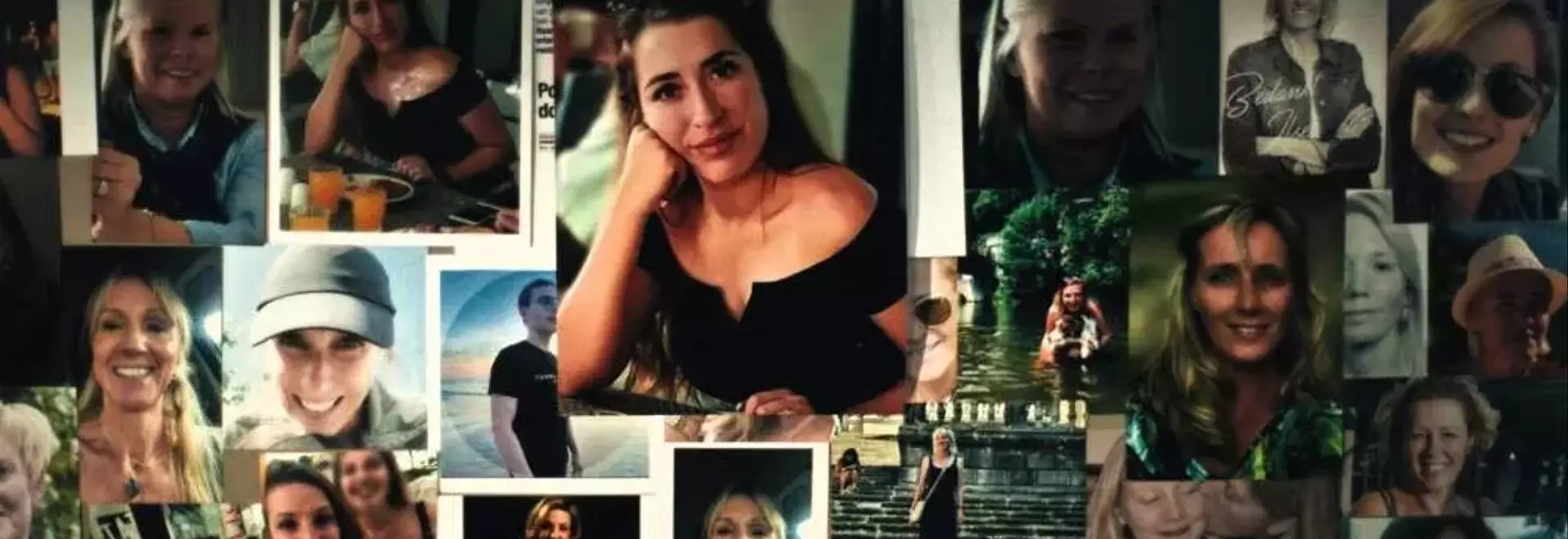
In April 2026, the global entertainment stage of Canneseries shone a spotlight on the burgeoning documentary scene in Flanders, largely driven by the visionary efforts of VRT Canvas. Luc Gommers, the seasoned Head of Documentary and Commissioning Editor at VRT Canvas, a pivotal figure with over three decades of experience, outlined the broadcaster's strategic emphasis on non-fiction. VRT Canvas, which dedicates its primetime slots from Monday to Thursday to documentary content, actively engages in buying, commissioning, producing, and co-producing a diverse range of standalone films and series. A notable aspect of their work involves nurturing collaborations with independent Flemish production houses and auteurs, often supported by the Flanders Audiovisual Fund (VAF), ensuring a continuous influx of unique and thought-provoking projects. These initiatives allow VRT Canvas to present a rich tapestry of stories, from the intimate portrayal of a Brussels school in "Basisschool Balder" by directors Evy De Ceur, Ciska Snauwaert, and Sarah D’Haeyer, to more traditional yet uniquely framed documentary series like "A Woman Was Killed." The latter, co-written by Phara de Aguirre and Nahid Shaikh, delves into the critical issue of femicide with a deeply personal and striking approach, which resonated strongly with the broadcaster. Additionally, VRT Canvas actively co-produces with the French-speaking public broadcaster RTBF to explore themes of national interest for Belgian audiences. At the heart of their selection process for 2026 and beyond lies the principle of 'relevance' and 'impact.' Gommers seeks projects that offer fresh insights into familiar subjects or tackle urgent societal themes from novel angles. The goal is to make complex issues accessible and understandable, allowing viewers to form their own conclusions rather than prescribing a specific viewpoint. This philosophy is clearly reflected in their Canneseries entries: "A Woman Was Killed," born from journalist Phara de Aguirre's personal connection to femicide, and "The Deal with Iran." The latter, from the independent production house Diplodokus, ingeniously dissects the Olivier Vandecasteele affair by focusing on Belgium's diplomatic dealings with Iran, creating a compelling narrative that transcends simple news reporting. While traditional linear television remains crucial for initial promotion and reaching a broad demographic, VRT Canvas acknowledges the growing shift towards online consumption, especially among younger audiences, through platforms like VRT MAX. In an era saturated with misinformation, Gommers asserts that documentaries are more vital than ever. He views them as a public broadcaster's essential tool for presenting a truthful depiction of the world, fostering trust, and going beyond conventional news to provide profound insights into contemporary society.
The Flemish documentary surge, championed by VRT Canvas, serves as a powerful reminder of the enduring significance of non-fiction storytelling. In an increasingly fragmented and digitally driven media landscape, the commitment to producing and curating documentaries that prioritize relevance, impact, and a nuanced exploration of complex societal issues is truly commendable. This approach not only enriches public discourse but also reinforces the vital role of public broadcasters in fostering informed citizenship and a deeper understanding of our shared human experience.