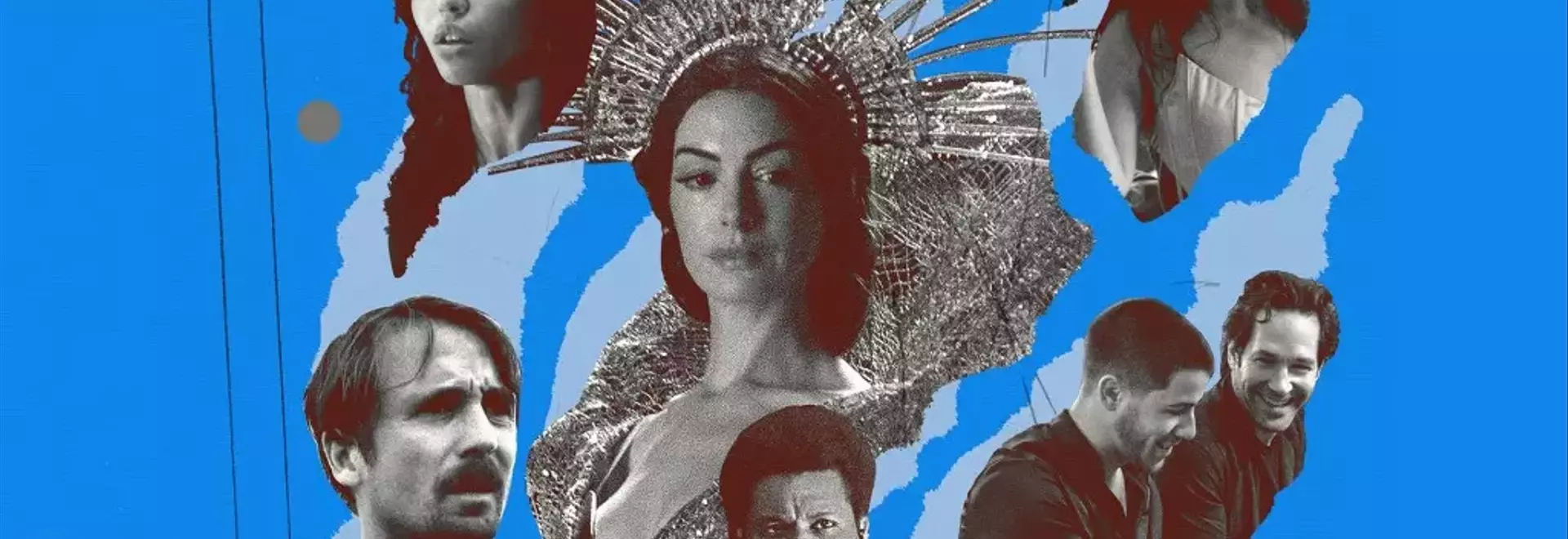
Fictional Music Films: Why Authenticity Often Falls Flat on Screen
Fictional narratives exploring the music world frequently struggle to present a credible depiction of the industry. This critique examines recent cinematic attempts, such as 'Mother Mary' and 'Trap,' which often stray into psychological thriller territories, neglecting the intricate realities of musical creation and performance. The article explores the inherent difficulties filmmakers face in crafting compelling, believable stories within the music realm, including the challenge of inventing hit songs and authentically portraying the multifaceted dynamics of artists and industry professionals.
Despite these challenges, some recent projects offer glimpses of a more nuanced approach. 'Power Ballad' and 'The Ballad of Wallis Island' are highlighted for their ability to explore the more grounded aspects of musicians' journeys, focusing on themes like creative struggles and financial realities. These films suggest that an audience appetite exists for genuine portrayals of the music business, hinting that future productions could find success by moving beyond superficial glamour or exaggerated drama to embrace a more truthful artistic lens.
The Quest for Authenticity in Music-Themed Cinema
For too long, movies centered around the music industry have been plagued by a pervasive artificiality, often delivering narratives that feel disconnected from the genuine experiences of artists and the realities of the business. Films ranging from star biopics to fictional dramas frequently fail to resonate as believable portrayals, even when featuring established musical talent. This phenomenon is particularly evident in productions that attempt to create fictional superstars, whose on-screen personas often lack the depth and credibility required to convince audiences that they could achieve global recognition. This fundamental disconnect raises questions about Hollywood's understanding and representation of the music world, often prioritizing spectacle or dramatic tropes over a nuanced and truthful depiction of artistic endeavors and industry intricacies.
This recurrent issue is not limited to specific genres; whether it's a dramatic portrayal of a rising star or a more conceptual piece, many films fall short in capturing the essence of musical life. Scenes set in concert venues, backstage areas, or recording studios are frequently depicted with such a lack of realism that they border on the fantastical, making viewers question if the creators have ever truly experienced these environments. Even acclaimed directors, in their pursuit of unique narratives, sometimes veer far from authenticity, treating musicians as mere plot devices in thrillers rather than focusing on the complexities of their craft or personal journeys. This trend suggests a broader industry struggle to reconcile the demands of cinematic storytelling with the need for genuine representation when music takes center stage.
Challenges in Crafting Fictional Hits and Industry Realities
One of the most significant hurdles for fictional music films is the creation of believable hit songs. While a few exceptional cases exist where commissioned tracks genuinely elevate a film's musical integrity, more often than not, even collaborations with top songwriters yield compositions that struggle to convince audiences of their potential global appeal. This difficulty underscores the challenge of fabricating musical genius on demand and integrating it seamlessly into a narrative. Furthermore, many films opt for insular, character-driven dramas, sometimes neglecting the broader ecosystem of the music industry. This narrow focus often results in a cast of characters that feels incomplete, failing to represent the diverse array of professionals, from managers to producers, who are integral to an artist's career and development.
Despite these shortcomings, a shift is slowly emerging, with some contemporary films beginning to embrace more nuanced and, at times, unflattering portrayals of musical icons. This willingness to depict artists as complex, sometimes flawed individuals, rather than idealized figures, adds a layer of much-needed realism to the genre. Projects like "Power Ballad" and "The Ballad of Wallis Island" stand out for their efforts to explore the less glamorous, more authentic aspects of a musician's life, including creative conflicts, professional setbacks, and the evolving financial landscape of the industry. These examples offer a hopeful outlook, suggesting that by moving beyond sensationalized drama and delving into the genuine struggles and triumphs of musical careers, filmmakers can achieve a more resonant and credible cinematic experience for audiences passionate about music.