The Fading Era of Monoculture: How Shared Pop Culture Declined Since 2014
The Golden Age's Sunset: Recalling the Last Shared Cultural Peak
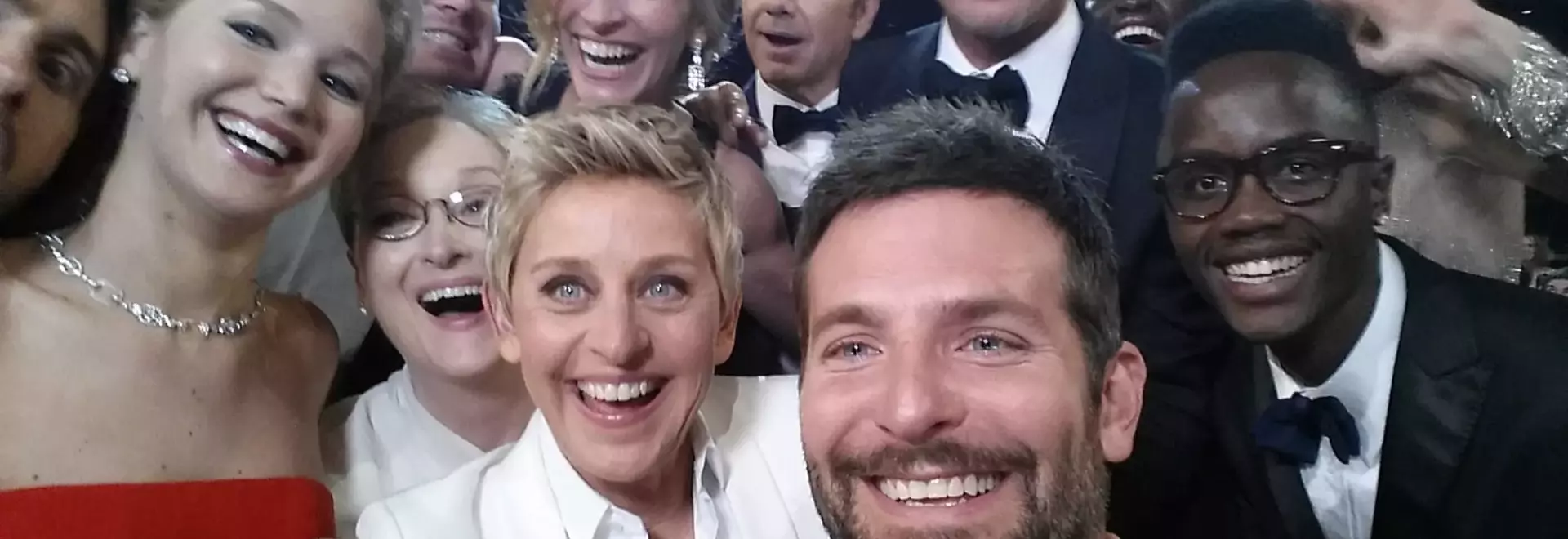
The Iconic Selfie and a Cultural Milestone
In 2014, a star-studded selfie taken at the Academy Awards, featuring host Ellen DeGeneres alongside numerous A-list celebrities like Angelina Jolie and Brad Pitt, became an instant global sensation. Shared widely on social media, it symbolized a moment when popular culture commanded massive, unified attention, reaching an audience of nearly 44 million for the Oscars telecast itself. This event now stands as a powerful reminder of a time when entertainment still fostered widespread collective engagement.
The Flourishing Media Landscape of 2014
The period surrounding the 2014 Oscars represented a zenith for traditional broadcast and cable television. With over 100 million U.S. households subscribing to multi-channel providers, major events like the Grammys and Golden Globes consistently attracted tens of millions of viewers. Popular series, including "The Big Bang Theory" and "NCIS," regularly drew audiences exceeding 22 million, demonstrating a robust shared viewing habit that transcended niche interests.
The Dawn of Fragmentation: Social Media's Early Influence
While social media was gaining traction in 2014, its role in shaping popular culture was distinct from today's landscape. Platforms like Facebook and Twitter served as amplifiers for viral content, often through sensational headlines. Live-tweeting major events, from sports to reality TV, facilitated real-time communal discussions, creating a sense of shared experience that was still largely tethered to broadcast schedules. The very concept of the "selfie," formalized as the Oxford English Dictionary's word of the year in 2013, highlighted this emerging yet still collective digital phenomenon.
Streaming's Subtle Emergence and the "Albanian Army"
In 2014, streaming services were nascent, with Netflix having just launched its first original series, "House of Cards." Industry giants largely dismissed Netflix as a minor player, an "Albanian army" according to one CEO. At this point, the total number of original streaming shows across major platforms was minimal, signaling a limited impact on the broader media consumption patterns that still favored traditional television and cinema.
The Unraveling of Unity: Signs of a Shifting Landscape
Though the complete fragmentation of popular culture didn't happen overnight, signs of its impending decline were evident in the latter half of the 2010s. While blockbusters like "Avengers" films, final seasons of "Game of Thrones," and albums from global music stars still garnered huge audiences, these successes represented increasingly isolated touchstones. The monolithic nature of shared culture was starting to exhibit visible fissures, foreshadowing a more diverse and individualized future.
The Decline of Collective Attention: Awards Shows as a Barometer
Awards ceremonies serve as a clear indicator of the waning communal attention span. Post-2014, no major awards telecast has replicated the audience numbers of that year. While the Oscars might still be the top non-sports primetime event on broadcast television, its viewership has significantly shrunk from over 40 million to roughly 18 million. This trend reflects a broader splintering of audiences across all awards shows, mirroring the general shift away from mass-appeal events.
The Streaming Explosion and Traditional Media's Transformation
The proliferation of streaming choices irrevocably altered media consumption. Netflix's aggressive expansion in original content spurred traditional media powerhouses like Disney, Time Warner, and NBCUniversal to pivot towards their own streaming ventures. This "streaming arms race," ignited around 2017, led to the launch of numerous new platforms like Disney+, Apple TV+, HBO Max, and Peacock, all vying for subscriber attention and further atomizing the audience into smaller, more personalized viewing segments.
The Pandemic's Accelerating Impact on Cultural Fragmentation
The onset of the 2020s and the global pandemic drastically accelerated the breakdown of monoculture. With people isolated from shared physical spaces, collective experiences diminished, pushing media consumption increasingly onto mobile devices. While initial streaming hits like "Ozark" and "Tiger King" saw massive engagement, the concurrent rise of YouTube and TikTok, driven by personalized algorithms, meant that individual media diets became highly customized, making it less likely for large groups to share the same content. This shift has cemented personalized feeds as the dominant mode of consumption, often at the expense of traditional, broadly shared programming.
Hindsight and the Enduring Allure of Shared Experiences
Identifying the precise moment when shared culture began to dissipate is a retrospective exercise. Yet, even in this fragmented era, certain events like the Super Bowl, major music tours, or popular show finales still manage to unite large audiences. This enduring appeal suggests that while monoculture as we knew it may be a thing of the past, the human desire for collective cultural moments persists, albeit in a more selective and diverse form, leaving future generations to reflect on our current, ever-evolving media landscape.