Byte Magazine's Enduring Legacy: A Look Back at Early Computing's Optimistic Vision
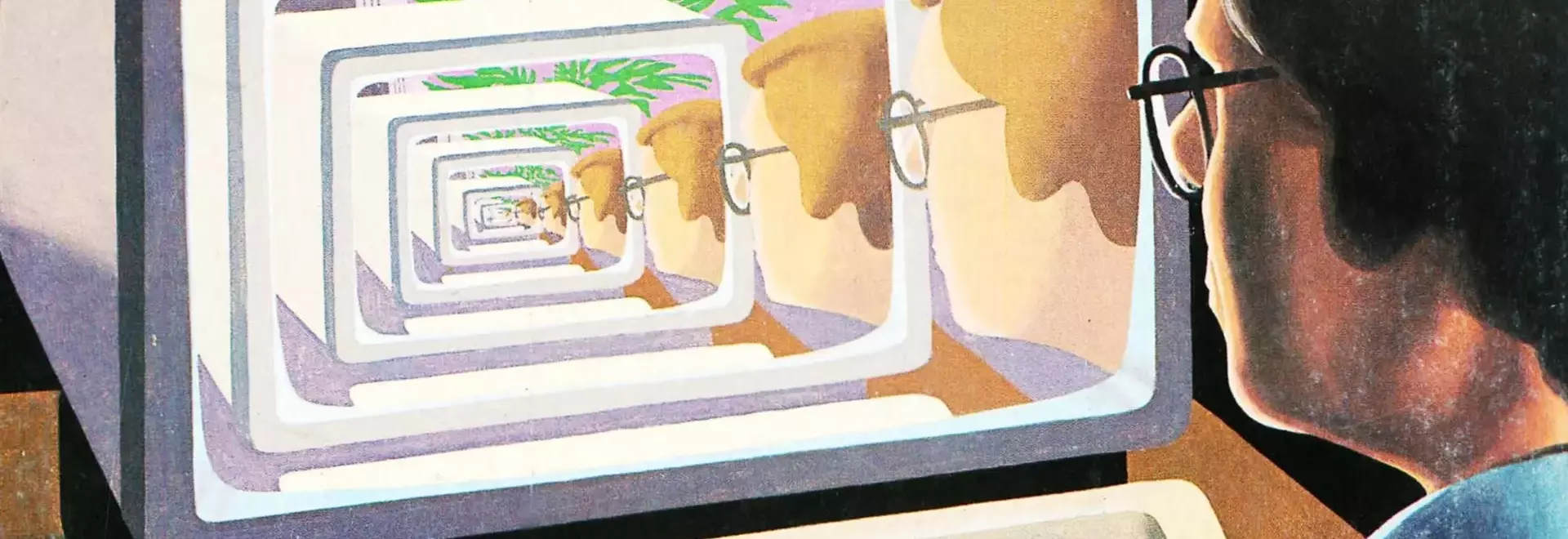
Explore the fascinating origins of personal computing through a comprehensive collection of Byte Magazine's English back catalog, now freely accessible on the Internet Archive. This digital treasure trove, spanning back to 1975, offers a unique window into an era when computers were still emerging as a transformative force. The magazine, led by Wayne Green, mirrored the exciting, almost magical development of personal computing, providing a record of its evolution and the optimistic vision that surrounded it. Its pages and iconic cover illustrations by Robert Tinney capture the whimsical, surreal, and charming spirit of early microprocessors, reflecting a future viewed with boundless potential and a touch of irreverence.
This extensive archive not only preserves a significant piece of technological history but also contrasts the initial hopeful outlook with contemporary perceptions of computing. The collection, while not entirely complete due to some indexing gaps, includes over 200 issues that reveal the innovative spirit of a bygone era. It serves as a valuable resource for anyone interested in understanding the foundational years of personal computing, its cultural impact, and the artistic interpretations that accompanied its rise.
The Golden Age of Personal Computing: Byte Magazine's Vision
The Internet Archive hosts a remarkable digital collection of Byte Magazine, a pioneering publication that chronicled the birth and growth of personal computing. This archive, featuring over 200 issues dating back to 1975, provides an invaluable resource for understanding the early days of microprocessors and their profound impact on technology and society. Byte Magazine, under the editorial guidance of Wayne Green, played a crucial role in shaping public perception of computers, presenting them not just as tools but as symbols of future progress and innovation. The magazine's articles and its distinctive cover art by Robert Tinney consistently expressed a sense of wonder and optimism about computing's potential, making this collection a nostalgic journey into a more hopeful vision of technological advancement.
This digital collection offers a detailed historical account, tracing the evolution of personal computing from its humble beginnings to its widespread adoption. Each issue reflects the rapid technological changes and the vibrant community of enthusiasts and innovators driving the industry forward. The artistic covers, characterized by their whimsical and often surreal depictions of computers and their future applications, stand out as cultural artifacts, embodying the creative spirit of the time. For researchers, historians, and tech enthusiasts, this archive is an essential tool, offering insights into the technical, social, and cultural narratives that defined the early years of personal computing and contrasting them with today's more complex and sometimes jaded perspective on technology.
Robert Tinney's Iconic Artistry and Byte's Enduring Optimism
Robert Tinney's iconic cover illustrations for Byte Magazine were more than just images; they were visual metaphors that captured the essence of early personal computing. His distinctive style, blending whimsy, surrealism, and sharp wit, often celebrated the burgeoning microprocessor future while subtly poking fun at its quirks. These covers, readily available within the Internet Archive's extensive collection of Byte issues, serve as a testament to a time when computers were perceived with a sense of magic and boundless possibility. Tinney's artwork, alongside the magazine's editorial content, helped to foster an optimistic outlook on technology that is a refreshing contrast to some of the complexities and criticisms surrounding modern computing.
The artistic and editorial choices made by Byte Magazine, particularly the contributions of Robert Tinney, imbued the publication with a unique character that made it a significant cultural touchstone. The imagery often featured fantastical scenarios where technology interacted with everyday life in unexpected ways, encouraging readers to dream big about the future. Beyond their aesthetic appeal, these covers are valuable historical documents that reflect the collective hopes and aspirations of a generation experiencing the dawn of the digital age. By revisiting these pages, one can appreciate the foundational ideas and creative spirit that paved the way for today's technological landscape, offering a nostalgic glimpse into a future that was once imagined with profound optimism and charm.