The Best Newborn Diapers: A Comprehensive Review for New Parents
Discover the Perfect Diaper for Your Little One's Comfort and Protection!
Choosing the Right Fit: Essential for Newborn Comfort
Selecting the appropriate diaper for a newborn is paramount for both the baby's comfort and the parents' tranquility during those initial weeks. A proper fit is crucial to prevent leaks, and having an adequate supply ensures preparedness for the frequent changes typical of newborns. Above all, superior absorbency stands out as the most vital characteristic for a comfortable newborn diaper experience.
Pampers Swaddlers: The Ultimate Choice for Overall Performance
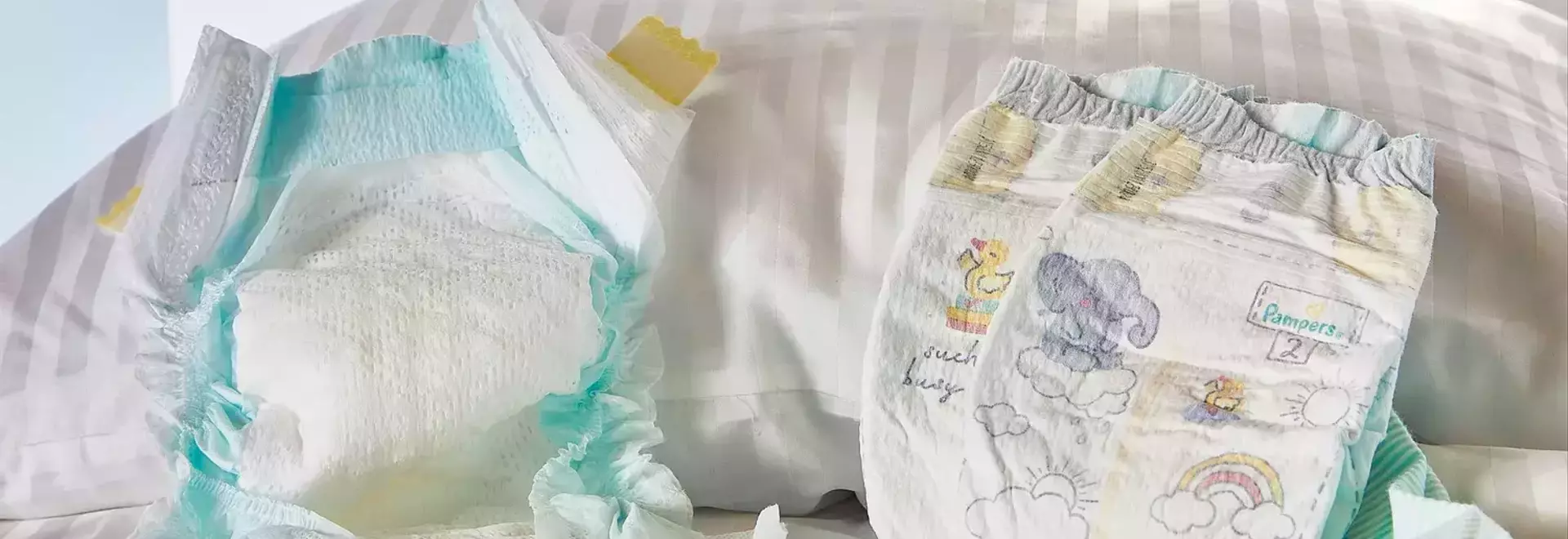
Pampers Newborn Swaddlers have consistently proven their excellence, not just through personal experience with five children, but also through rigorous testing that evaluated absorbency, softness, and leak protection. Testers lauded their remarkable liquid absorption, noting that even after multiple pours, the diaper remained dry to the touch, capable of containing significant fluid volumes. Crafted in the U.S. from hospital-grade materials, these diapers offer exceptional breathability, absorbency, and a super-soft feel due to aloe leaf extract, which helps maintain skin moisture.
Pampers Amore: Luxury and Safety for Delicate Skin
The Pampers Amore collection offers a premium diaper experience, recognized with top honors in our 'Best for Baby Awards'. These diapers undergo extensive third-party testing, screening for over 1,000 harmful chemicals, including heavy metals, VOCs, BPAs, phthalates, and pesticides, ensuring maximum safety for newborns. Hypoallergenic and accredited by the Skin Health Alliance, they provide peace of mind for parents of sensitive-skinned babies. Featuring a five-layer design with a KeepDry liner for blowout prevention, a wetness indicator, and charming patterns, these luxurious diapers are also surprisingly affordable at just $0.33 per unit.
Huggies Little Snugglers: Unmatched Speed in Absorption
Huggies Little Snugglers impressed with their incredibly rapid absorption and complete leak prevention during testing. The diapers quickly soaked up all liquid, leaving the exterior and leg elastics perfectly dry. This swift absorption contributes to baby's comfort and reduces the frequency of clothing and bedding changes, offering excellent value despite being similarly priced to Pampers Swaddlers.
Pampers Baby-Dry: Superior Leak Protection for Extended Dryness
Pampers Baby-Dry diapers excel in preventing leaks, performing exceptionally during tests with multiple liquid pours, showing no signs of leakage. Their effective leak protection is attributed to a stretchy fit, large tape fasteners, and barrier guards. These hypoallergenic diapers are also a great option for babies with sensitive skin, ensuring dryness and comfort.
The Honest Company Honest Diapers: Ideal for Sensitive Skin with Eco-Friendly Design
The Honest Company's Honest Diapers stood out for their structural integrity, holding a significant amount of liquid without degradation or gel beading. Although slightly slower in absorption than some counterparts, they effectively contained all liquid without leaks, guaranteeing a mess-free experience. Praised by parents for their eco-friendly composition, diverse prints, and subscription savings, these diapers are a popular choice for conscious consumers.
Terra Plant-Based Diapers: Sustainable and Highly Absorbent
For environmentally-conscious parents, Terra Plant-Based Diapers are an excellent choice. Fully compostable and made from sustainable materials like biodegradable bamboo fiber, wood pulp, and food-grade ink, these diapers are 85% plant-based. Despite their eco-friendly nature, they are remarkably soft and highly absorbent, preventing leaks effectively. While they may feel slightly damp when saturated, their blowout-proof design impressed testers.
Coterie The Diaper: Unrivaled Softness for Baby's Skin
Coterie's 'The Diaper' lives up to its claim of being "cashmere-like," providing unparalleled softness. Alongside their luxurious feel, these diapers offer strong absorbency and leak protection comparable to Pampers Swaddlers. Although they felt wet to the touch after initial liquid tests, their high capacity ensures sustained dryness. Being fragrance-free and hypoallergenic, Coterie diapers are an excellent choice for babies with sensitive skin.
Other Noteworthy Diapers: Pampers Pure Protection and Luvs Pro Level Leak Protection
While Pampers Pure Protection Disposable Diapers promised 12 hours of leak-free wear, their absorbency was noted to be less effective compared to other tested options. Luvs Pro Level Leak Protection Diapers offered the most budget-friendly option, though with compromised absorbency.
Our Rigorous Testing Methodologies for Diaper Performance
Our team meticulously evaluated 11 different diaper types through hands-on testing. Using a specialized blue saline solution, we assessed absorbency by measuring liquid uptake speed and post-absorption diaper condition, dryness through touch and filter paper tests, and leakage from various angles and at maximum saturation to simulate real-world conditions.
Insights from Pediatric Experts on Newborn Diaper Care
We consulted pediatric experts, including Dr. Beth Parker, Dr. Sara Siddiqui, and Dr. Dyan Hes, to gather professional insights on optimal diaper testing methods, essential features for newborn diapers, and general considerations for diaper selection.
Key Considerations for Newborn Diaper Selection
When choosing newborn diapers, parents should weigh several factors: type (cloth vs. disposable), absorbency and leakage protection, how well the diaper fits the unique shape of their baby, special features like wetness indicators, and overall cost. Experts advise against expensive materials solely for sensitivity concerns, as natural products can also cause reactions.
Safe Diaper Usage for Newborns: Best Practices
The American Academy of Pediatrics (AAP) emphasizes the importance of safety during diaper changes, recommending a flat surface and constant supervision, especially on elevated changing areas. Keeping all changing supplies within reach is crucial. Pediatricians also highlight the rapid growth of newborns, necessitating frequent size changes, and recommend basic, budget-friendly diapers unless specific sensitivities arise.
Preventing Diaper Rash: Expert Tips for Healthy Skin
To prevent diaper rash, Dr. Hes strongly advocates for the consistent use of diaper rash cream to create a protective barrier. Allowing for "airtime" during changes and frequent diaper changes, especially after overnight use, are also vital. Dr. Siddiqui suggests using wet paper towels instead of commercial wipes for sensitive newborn skin, while Dr. Parker notes the benefits of skin-conditioning agents in modern disposable diapers. The ABCD method (Air, Barrier cream, Cleansing, Diaper change) is recommended for managing existing rashes.
Common Diaper Changing Errors and Solutions
Dr. Parker advises changing diapers after feedings, as infants often stool post-meal, which can maximize sleep for both baby and parents. Dr. Hes points out that for baby boys, directing the penis downwards within the diaper is crucial to prevent upward urine leaks. On average, newborns require 10 diapers daily, translating to 40–70 changes weekly.
Recognizing Diaper Material Sensitivities and Selecting the Correct Size
Persistent rashes, redness, peeling skin, or imprint marks may indicate a sensitivity to diaper materials. However, newborns' delicate skin may outgrow such issues. Any ongoing irritation should be assessed by a pediatrician. For sizing, premature babies or those under 6-7 pounds may need preemie diapers, while full-term babies often start with newborn sizes, quickly progressing to size 1 or 2 due to rapid weight gain.