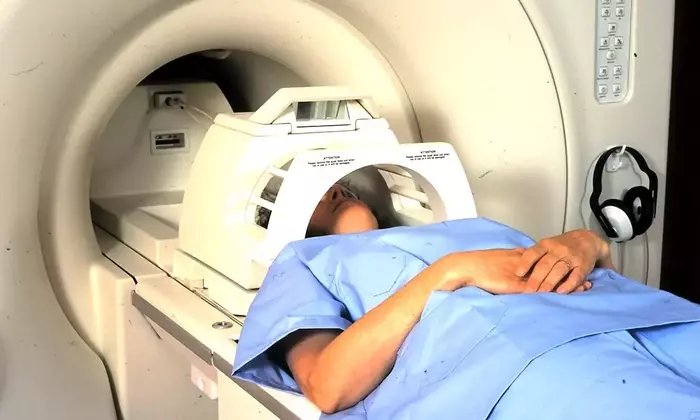
What Is PET Imaging? A Technical and Physiological Overview
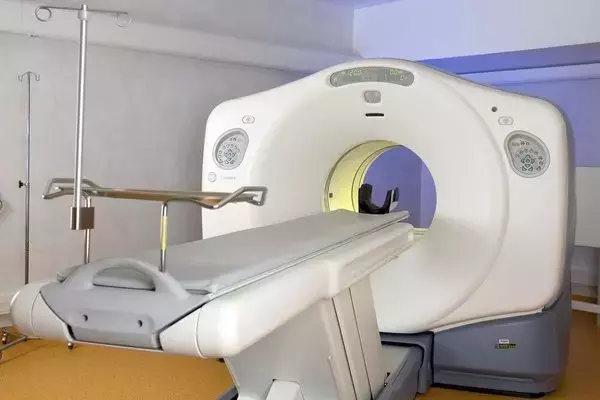
Positron Emission Tomography, commonly known asPET imaging, is a non-invasive nuclear medicine technique used to observe metabolic and physiological processes within the human body. Unlike anatomical imaging modalities such as X-rays or CT scans, which primarily visualize the structure of organs and bones, PET imaging focuses on cellular-level activity and biochemical changes. This article provides a neutral, scientific exploration of PET technology, detailing its structural components, the physics of positron-electron annihilation, and its clinical utility in oncology, neurology, and cardiology. The following sections follow a structured trajectory: defining the technological framework, explaining the biochemical role of radiopharmaceuticals, presenting an objective overview of current clinical standards, and concluding with a technical inquiry section to clarify common procedural questions.