Understanding Prosthetics: A Comprehensive Scientific Overview
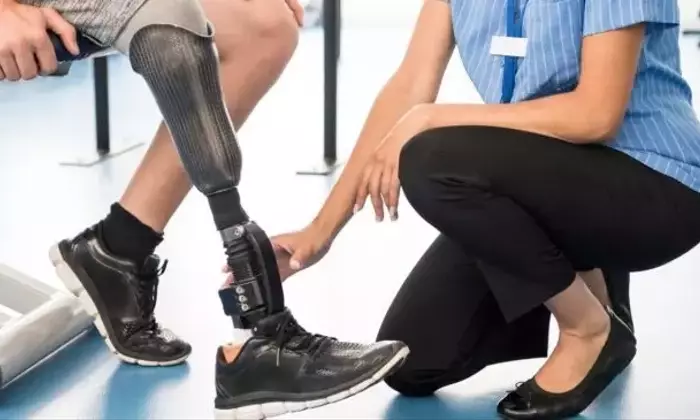
The loss of a limb, whether due to congenital conditions, trauma, or vascular disease, represents a significant shift in an individual's physiological structure. A prosthesis is an artificial device designed to replace a missing body part, aiming to restore both the anatomical form and, to varying degrees, the functional capabilities of the original limb. This article provides a neutral, science-based exploration of prosthetic technology. It begins by defining the foundational components and classifications of these devices, moves into the mechanical and neurological mechanisms that allow for movement, presents an objective overview of the clinical landscape, and discusses future scientific trajectories. By following a structured progression from basic engineering to practical Q&A, this discussion aims to clarify how prosthetic science bridges the gap between mechanical engineering and human biology.